










Cybersecurity and Sport, What No One Prepared You For
3 Min Read
Cybersecurity and Sport, What No One Prepared You For
Why Trust Will Shape the Next Decade of Sport
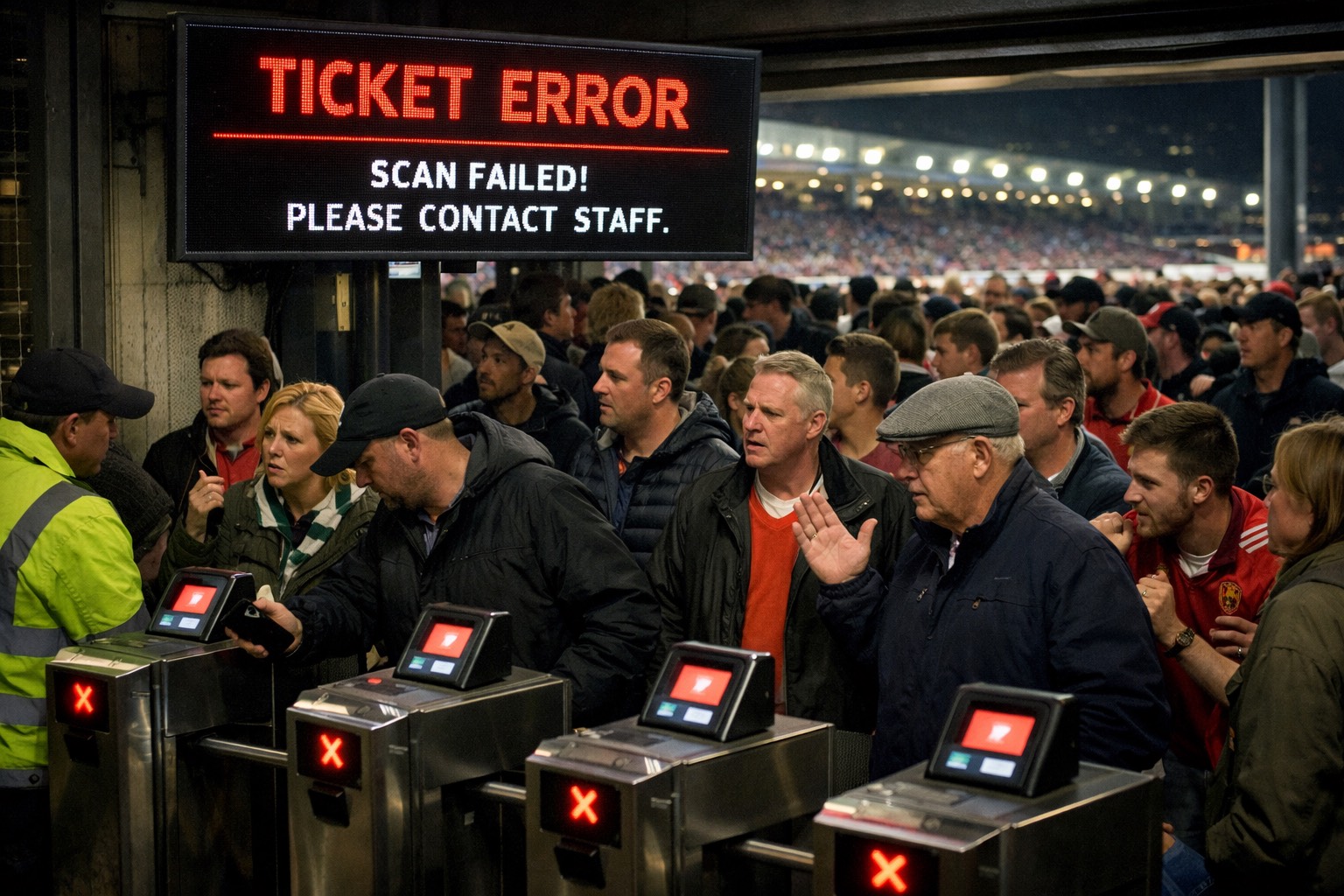
It is 19:45 on derby night.
Stadium full.
App down.
Ticketing partner under ransomware.
Entry scans freeze. Match-day operations stall.
Digital breaks in public, under pressure, and in front of fans.
And in sport, there is no “offline mode.”
We spend our days between global sports brands, leagues and federations on one side, and ambitious AI startups on the other. We see where innovation accelerates, where deals stall, and the quiet reasons decisions die in the room. This piece is not theory. It reflects what is happening right now in the market.
Sport is now a digital business built on cloud systems, fan data, and AI-driven workflows. As these layers scale, the need for trust and governance rises with them. The winners of the next decade will combine innovation and resilience, not choose between them.
The Updated Risk Profile of Sport
Four forces are shaping the operating environment:
* AI connects previously isolated systems
* Cloud dissolves traditional perimeter security
* Fan data becomes a strategic asset
* Sports brands become trophy targets for attackers
Recent breaches, including the French Football Federation incident exposing sensitive member data, signal that cybersecurity in sport is no longer theoretical.
What’s Really at Stake
This conversation is not about pausing innovation. It is about reducing friction and enabling deployment.
Digital now drives attendance, loyalty, media consumption and lifetime value.
If trust breaks, it hits revenue, retention and brand equity.
Match-day disruption has a financial price.
A data breach has a reputational price.
Both are preventable with modest governance.
Executive Ownership
We are seeing a shift from “IT problem” to “executive responsibility.”
Cybersecurity now sits alongside business continuity, legal, commercial and fan experience.
Executives need clarity on:
* Which systems are mission-critical on match day
* Which vendors touch fan data
* What is the contingency if a digital layer fails
* Where does accountability sit internally
Security is no longer a gatekeeper. It is an enabler of adoption.
Where AI Meets Friction
Most AI pilots don’t fail on performance.
They fail in procurement, when data, compliance or governance questions appear too late.
We see it weekly: strong demos, excited stakeholders, and then the deal stalls because the trust layer wasn’t defined early.
This is not a product issue.
This is governance.

Three Moves for the Next 90 Days
Based on what we see in the field:
- Run a 60-minute AI & Cyber Review at Executive Level
Align expectations, roles, and dependencies before pilots begin.
- Score the Vendor Stack
One table: vendors with access to fan or operational data, scored on security readiness.
Simple, fast, clarifying.
- Set a Minimum Bar for AI Pilots
Two pages, plain language.
No technical theatre.
This accelerates decision-making later.
Five Questions to Ask on Monday
* What fails us most if it breaks on match day
* Which vendors access fan data
* When was the last disruption scenario tested
* Do we have a single view of digital dependencies
* What minimum bar do we require from AI vendors
Alignment often starts with the right questions.
Keep Moving Forward
This is not a message of fear. Sport should not pause innovation or stop working with startups. The opposite. AI-enabled personalization, predictive operations and real-time fan journeys will define the next decade of competition and revenue growth.
The point is to move with clarity, governance and the right people around the table. When legal, commercial, data, operations and innovation collaborate early, deployment speeds up, not down.
Final Thoughts

After years working on both sides of the table, with leading sports properties and the startups building the future, I’ve learned that innovation moves fastest when trust is designed in, not negotiated at the end.
There will always be friction. There will always be unanswered questions. That’s part of the process. But sport shouldn’t pause experimentation. It should experiment responsibly, with better alignment and better partners around the table.
Ask the right questions early.
Bring the right disciplines into the room.
And keep moving forward. AI in sport is about upside, not fear.
The organizations that understand that will lead the next chapter.
With love for sport and innovation,
AR
CEO, HYPE Sports Innovation



Comments