









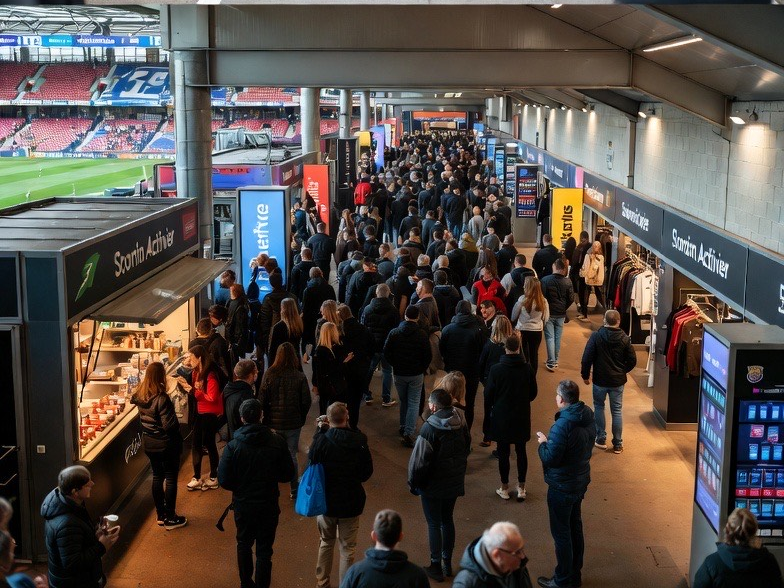
7 Lessons Southampton FC Is Teaching the Sports Industry About the Match Day Economy
3 Min Read
7 Lessons Southampton FC Is Teaching the Sports Industry About the Match Day Economy
From a pre-tax loss of £87 million to a £17 million profit.
In three seasons, Southampton FC went from losing money to generating money.
From selling matchdays to selling full days.
The shift was not luck.
It was a model.
Southampton expanded the match into the day and the day into a platform.
That move matters to anyone who sells sport, time, attention or experiences.
These are seven lessons worth paying attention to.
Lesson 1: Hours Create Revenue
Clubs love attendance.
Attendance is not the point.
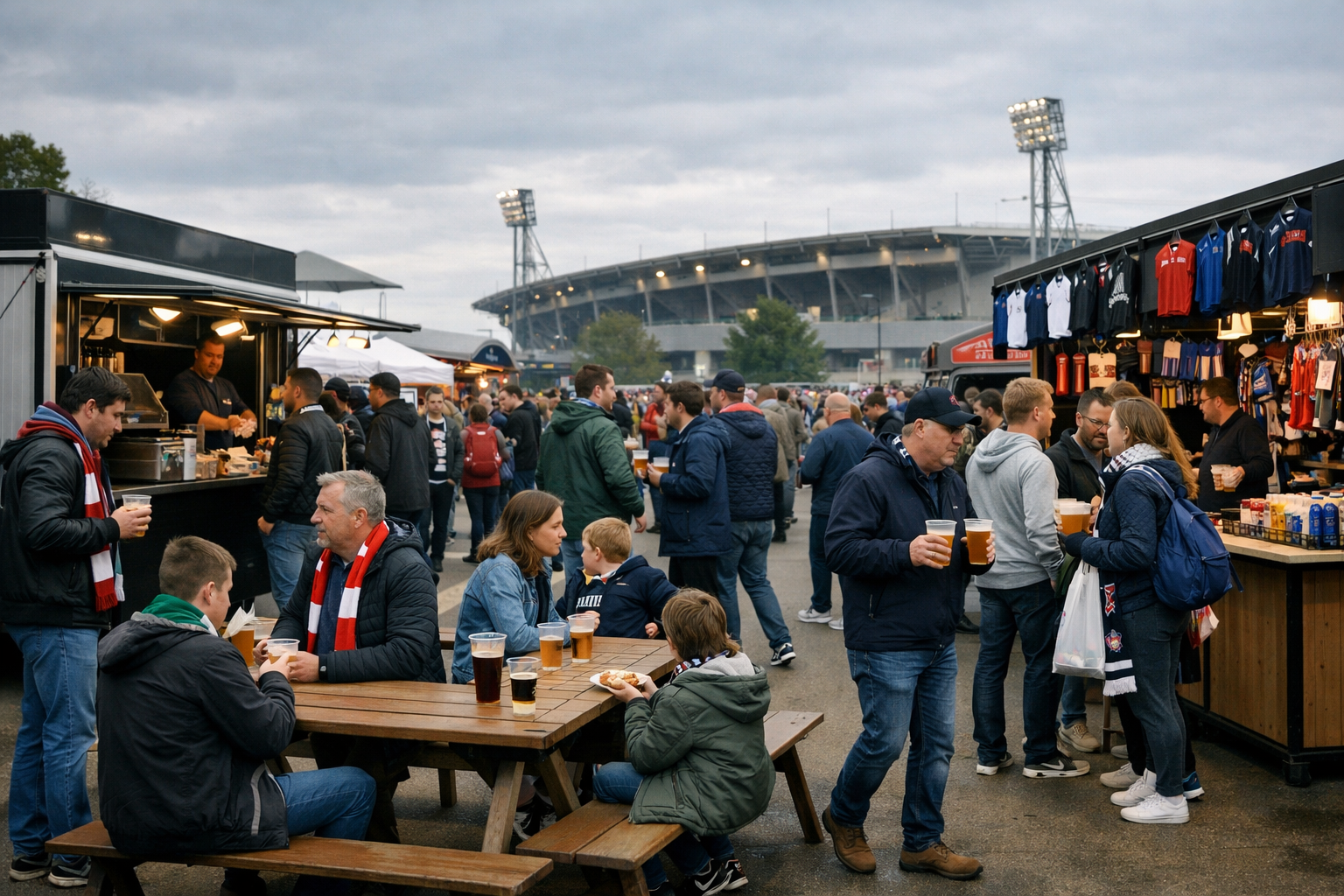
Southampton optimized dwell time.
When fans arrive early and leave late, they consume more.
Food, beverage, retail, hospitality, activation, identity.
Hours are where value lives.
Ask yourself:
How many hours do fans give you on a matchday?
Lesson 2: The Stadium Is a Platform
Most clubs treat the stadium as sacred space.
Southampton treated it as commercial space.
Platforms allow:
* Activation
* Data
* Sponsorship
* Hospitality
* Retail
* Community
* Non-matchday events
Platforms scale.
Buildings do not.
Lesson 3: The Match Is Not the Product
The match triggers emotion.
Emotion triggers participation.
Participation triggers money.
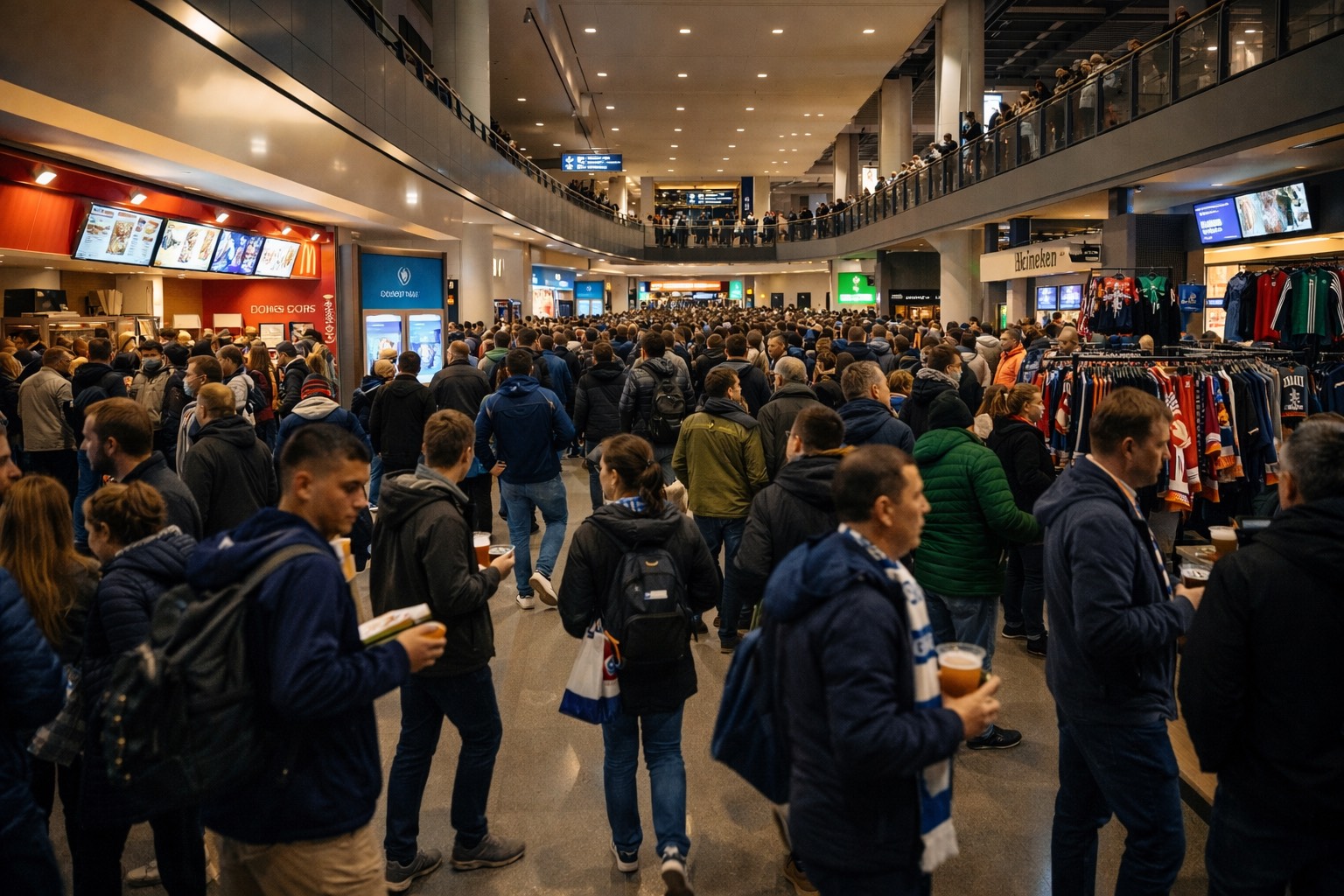
Southampton expanded the emotional window.
Before the game.
After the game.
And eventually beyond matchday.
Triggers are valuable.
Scoreboards are fragile.
Lesson 4: Mid-Tier Clubs Are the Laboratories
Innovation does not start at the top.
It starts where survival requires it.
Mid-tier clubs:
* Move faster
* Take risk
* Collaborate with cities
* Think commercially
* Depend less on results
If you are a startup, brand or league, study constraint.
Constraint reveals the future long before dominance does.
Lesson 5: Consumption Happens Outside the Ninety Minutes
Most clubs design for the ninety minutes.
Southampton designed for the six hours around it.
Consumption begins early.
Consumption stays late.
Seats hold attention.
Space holds commerce.
Space wins.
Lesson 6: Data Follows Activity
Data requires touchpoints.
Touchpoints require activity.
Ninety-minute journeys produce weak datasets.
Weak datasets produce weak decisions.
The day-economy gives you:
* More signals
* More attribution
* More segmentation
* Higher LTV
* Better sponsorship value
If you want data, create movement.
Lesson 7: Underutilization Is the Real Problem
If your stadium runs nine hours a month, you do not have a revenue problem.
You have a utilization problem.
Underutilized assets are not business models.
They are ceremonies.
Sport cannot rely on ceremony.
Southampton asked a better question:
What if the stadium became a daily asset instead of a monthly event?
Better questions build better economics.

Final Thoughts
Sport still believes the match is the product.
It is not.
The match is the spark.
The day is the engine.
The clubs that build for participation, not attendance, will control the next era of sport.
Participation creates community.
Community creates behavior.
Behavior creates business.
Fans do not want to attend.
They want to belong.
Belonging lives in the day.
With the Love for Sports and Innovation,
AR
CEO, HYPE Sports Innovation


Comments