









Where Sports Growth Will Come From in 2027
3 Min Read
Where Sports Growth Will Come From in 2027

What we learned from 207+ sports properties, clubs, teams, federations and media companies
The biggest growth opportunity in sports may have nothing to do with getting people to watch more sports.
It may come from getting them to do more sports.
Every day at HYPE SPORTS, we work with sports organizations looking for new revenue, better operations and measurable growth.
Over the past year, we collected input from more than 207 sports properties, clubs, teams, federations and media companies.
We looked at what they are focused on.
Where they see growth.
Where money is being left on the table.
Where the friction still exists.
And where consumer behavior is moving faster than the industry.
Six patterns kept coming back.
Together, I believe they point to something much bigger.
1. The Court Is No Longer the Product
Look at padel. Pickleball. Golf. Running. Participation sports in general.
The game is only the beginning.
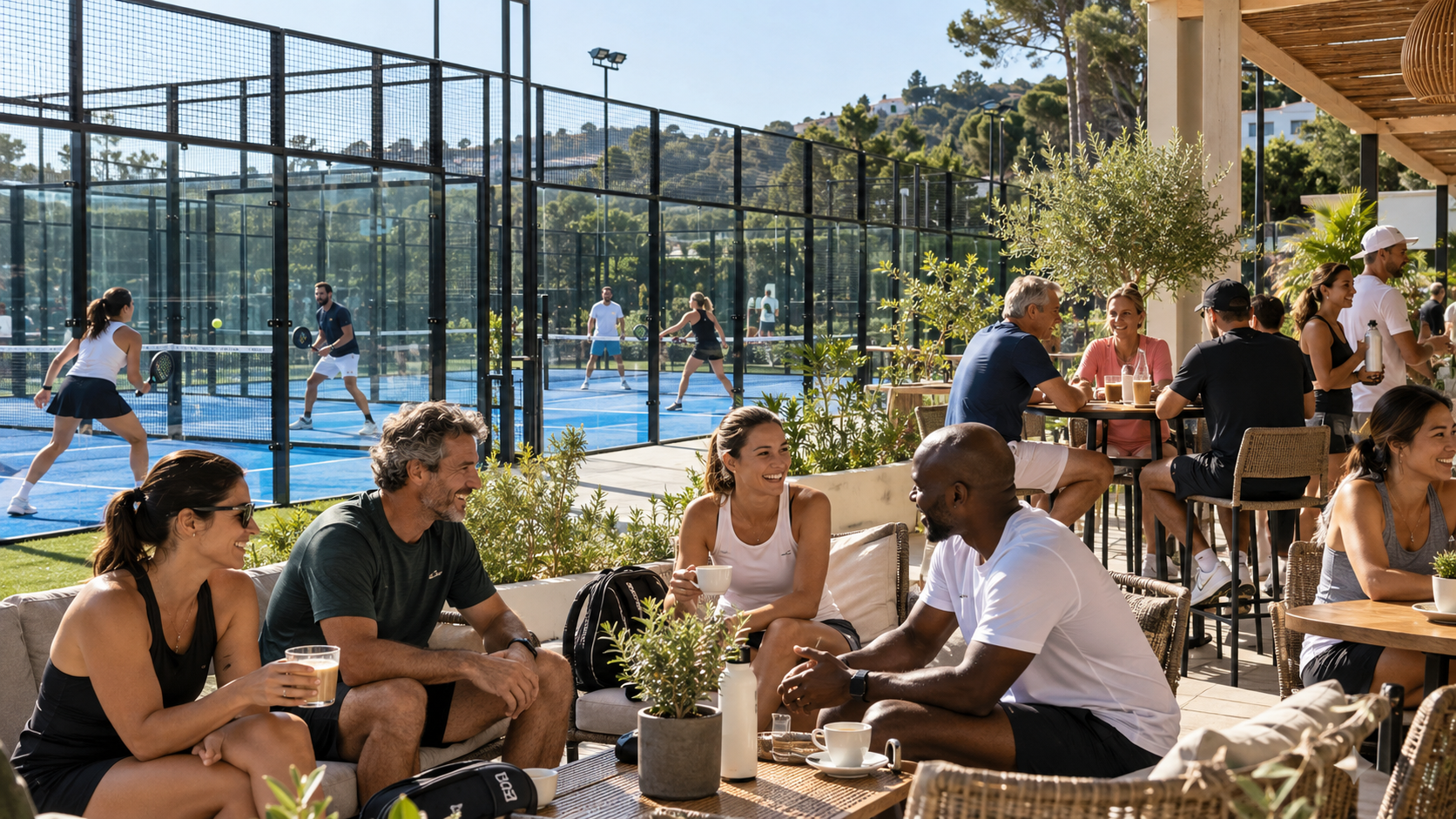
The most interesting venues are becoming social and commercial destinations.
People play.
Then they eat.
Drink.
Work.
Meet.
Shop.
Recover.
And come back.
The court gets them through the door.
The business is everything that happens around it.
That changes the question from:
“How much can I make from one hour on this court?”
To:
“How much value can I create from this customer over the next five years?”
That is a very different business.
2. Sport Is Becoming a Reason to Travel
We have always traveled to watch sport.
Now millions are traveling to do it.
Run Berlin.
Cycle Mallorca.
Play golf in Portugal.
Join a padel weekend in Spain.
Compete in Hyrox.
Go skiing with your community.
A €50 race entry can create thousands of euros in flights, hotels, restaurants, equipment and experiences.
The opportunity sits at the intersection of:
Sport + Travel + Hospitality + Community.
For years, sports organizations obsessed over the value of the spectator.
It may be time to look much harder at the value of the participant.
3. Sport May Become the Next Social Network
This one fascinates me.
For years, we met people online and occasionally took those relationships offline.
Sport flips that model.
Running clubs.
Cycling groups.
Padel.
Pickleball.
Golf.
Hyrox.
Five-a-side football.
You meet.
You sweat.
You compete.
You improve.
And you come back next week.
Then technology sits on top of that relationship.
Which creates a very valuable question:
Who owns that community?
The club?
The venue?
The league?
The event?
The platform?
The next big sports social network may not start with followers.
It may start with people meeting to play.
4. The Amateur Athlete Is Going Pro
The amateur athlete does not look very amateur anymore.
They track sleep.
Heart rate.
Recovery.
Nutrition.
Power.
Training load.
Body composition.
They hire coaches.
Buy sophisticated equipment.
Analyze their performance.
And increasingly expect access to technology that once belonged only to elite athletes.
This changes the market completely.
A technology built for 5,000 professional athletes may eventually serve five million serious amateurs.
Professional sport becomes the laboratory.
The consumer becomes the scale.
That is a massive shift for sports technology.
5. Recovery Is Becoming a Business
For years, we monetized the workout.
Now we are starting to monetize what happens afterwards.
Cold plunges.
Saunas.
Compression.
Sleep.
Mobility.
Massage.
Diagnostics.
Recovery clubs.
People increasingly spend money not only on performing harder.
They spend money on recovering better.
And recovery has something businesses love:
Frequency.
It can become habitual.
It can generate recurring revenue.
And it fits perfectly around participation.
The sports facility of the future could look less like a traditional facility and more like:
Play + Train + Eat + Work + Recover + Shop + Socialize.
The lines between sports, wellness, hospitality and community are disappearing.
6. AI Will Remove the Friction From Sport
Everyone wants to talk about how AI will transform sports.
I think one of its biggest opportunities is much simpler.
Make sport easier.
Think about the friction that still exists.
Where do I play?
Who do I play with?
Are they at my level?
How do I book?
How do we pay?
Who can coach me?
How should I train?
What equipment should I buy?
How do I avoid getting injured?
Now imagine saying:
“I want to play padel tomorrow at 7 PM, within 15 minutes of my house, with three people around my level.”
Done.
Or:
“I want to run my first marathon in six months.”
The system builds your plan, adapts it, finds your race, recommends equipment and connects you with people training at your level.
The biggest winners may not create another sport.
They may remove everything stopping us from doing the sports we already love.
Something Bigger Is Happening
When we looked across the input from those 207+ sports organizations, the six trends were interesting.
But the pattern connecting them was much more interesting.
For decades, the sports industry built its economics around one person:
The fan.
Tickets.
Media rights.
Sponsorship.
Merchandise.
Hospitality.
Content.
Betting.
We built an enormous industry around monetizing attention.
Now another economy is emerging around a different person:
The participant.
They don’t only watch.
They do.
And when they do, they spend.
Travel.
Venues.
Equipment.
Coaching.
Technology.
Recovery.
Health.
Food.
Events.
Memberships.
Community.
Hospitality.
Data.
I call this:
The Active Sports Economy
And I believe it deserves a place in every sports organization’s 2027 strategy.
Three Questions I Would Ask Before Approving a 2027 Plan
1. Where are our customers already spending money around our sport that we don’t currently capture?
Look beyond your existing products.
Map the whole journey.
2. What do we already own that could unlock a new business?
Brand.
Community.
Facilities.
Data.
Athletes.
Content.
Credibility.
Distribution.
You may already own the hardest thing to build:
Access to the customer.
3. What can we test in the next 90 days?
Forget the three-year innovation roadmap for a moment.
Pick one problem.
One customer.
One measurable business outcome.
Test it.
Then decide whether it deserves to scale.
Final Thoughts

For years, the sports industry has asked:
How do we get more people to watch?
Maybe the bigger question for 2027 is:
How do we get more people to play, train, travel, compete, recover and connect through sport?
Because every time someone moves from watching sport to doing sport, an entirely new economic journey begins.
And somebody is going to own that journey.
The next billion-dollar sports opportunity may not come from creating more fans.
It may come from turning more of us into athletes.
With Love for Sports and Innovation,
AR
CEO, HYPE Sports Innovation

Comments
Robert
Sports growth probably has a lot to do with getting more people involved in movement, not just increasing viewing time. I noticed this myself after a friend started using fitnus for home workouts and became more interested in local races and sports events. Once exercise became part of her routine, she began following athletes and trying new activities too. That kind of participation seems like a growth path for teams and sports brands. Making fitness feel accessible can turn casual audiences into active communities. I think the biggest opportunities will come from connecting entertainment, wellness, and everyday participation more naturally.