








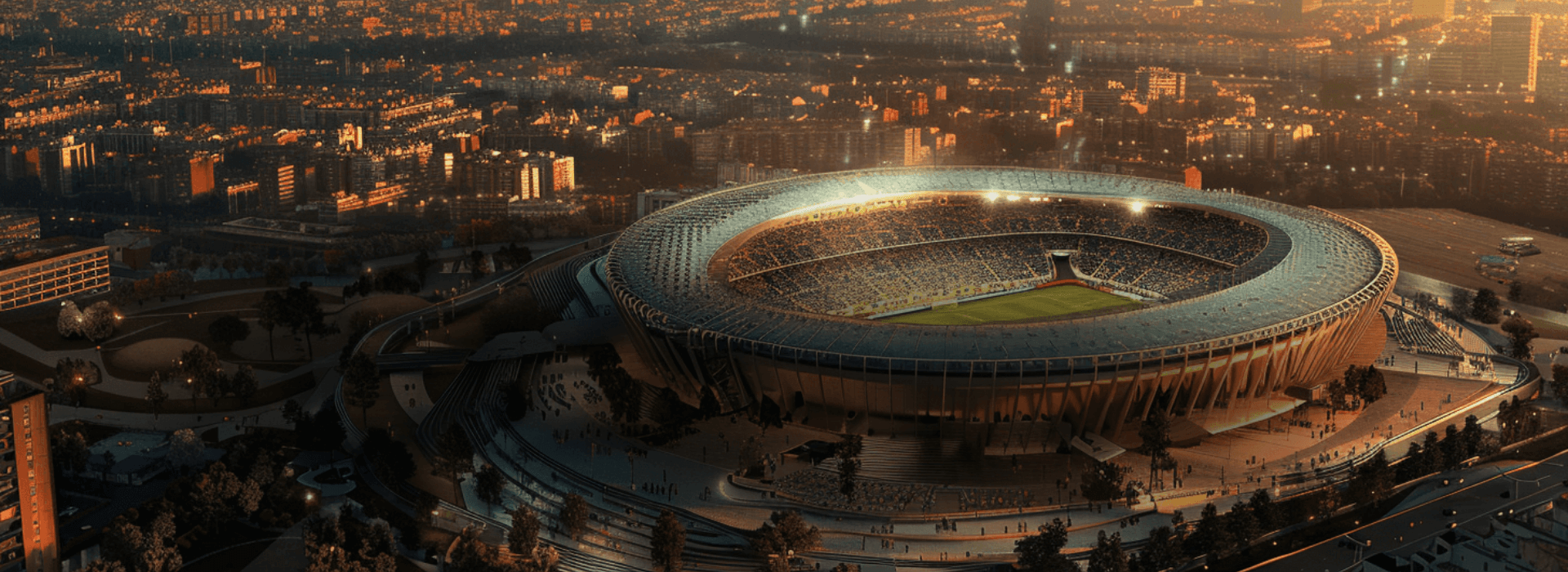
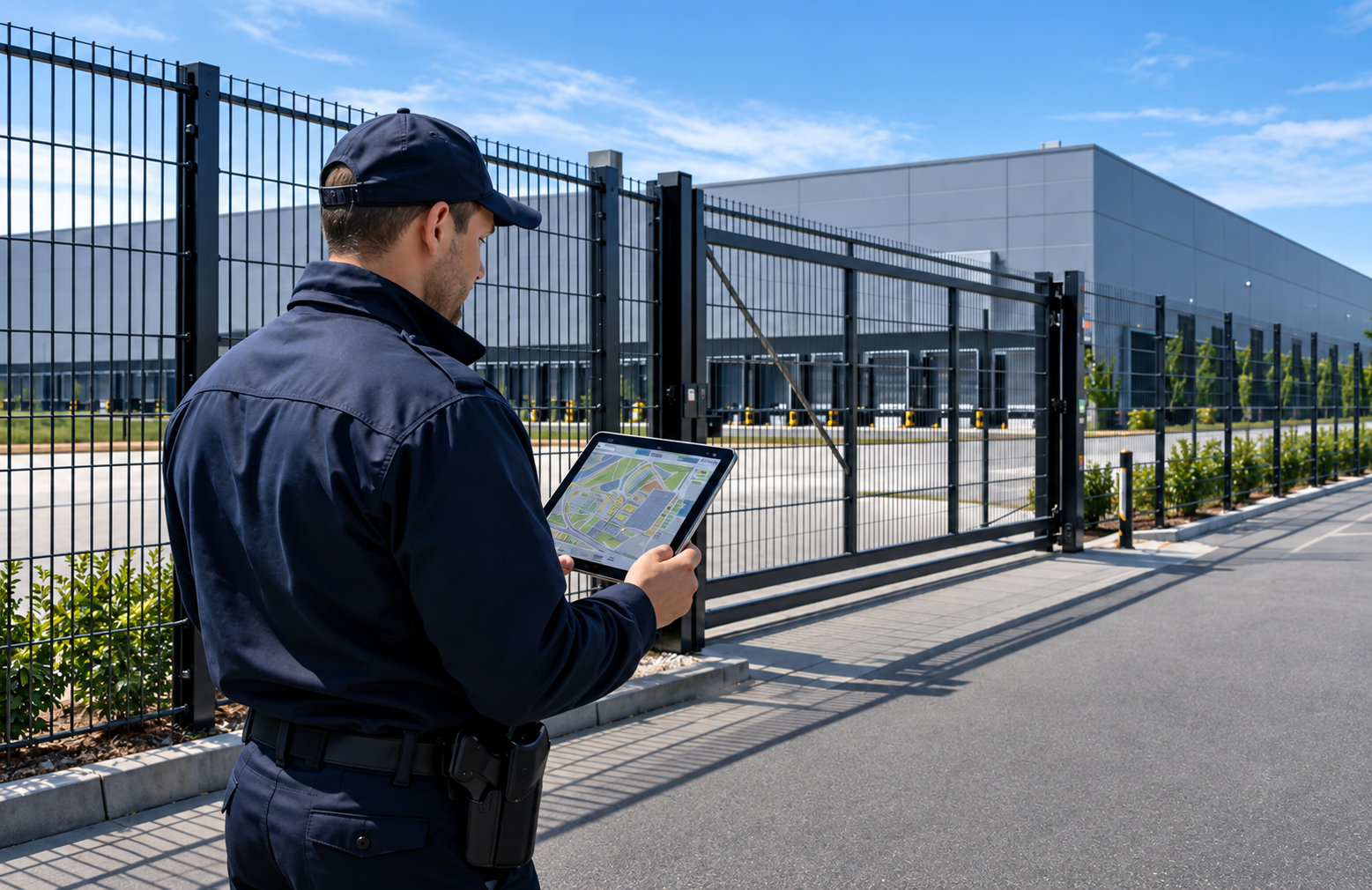
What If a Venue Could Understand Everything Moving Inside It?
3 Min Read
What If a Venue Could Understand Everything Moving Inside It?
Outsight turns the movement of people and vehicles into real-time Spatial Intelligence, giving venues a new way to improve operations, strengthen safety and create better experiences.
Every venue is constantly moving.
Thousands of people arrive, enter, queue, walk through concourses, visit concessions, move between areas and eventually leave.
For operators, understanding that movement matters.
Where are crowds starting to build?
How long are people waiting?
Which entrances are under pressure?
Where should staff be deployed?
How are visitors actually using the venue?
And can those questions be answered while the event is happening, rather than after it is over?
Outsight is making physical movement measurable.
The company uses 3D LiDAR and Physical AI to transform the movement of people, vehicles and robots into real-time Spatial Intelligence.
Across airports, railway stations, industrial environments, cities and venues, Outsight creates a live understanding of how physical spaces are actually being used.
For sports, where tens of thousands of people can move through the same infrastructure within a matter of minutes, that opens up a completely different level of operational visibility.
Turning Movement Into Intelligence
Most venues already generate enormous amounts of digital data.
But understanding what is happening physically across the venue is a different challenge.
Outsight bridges that gap.
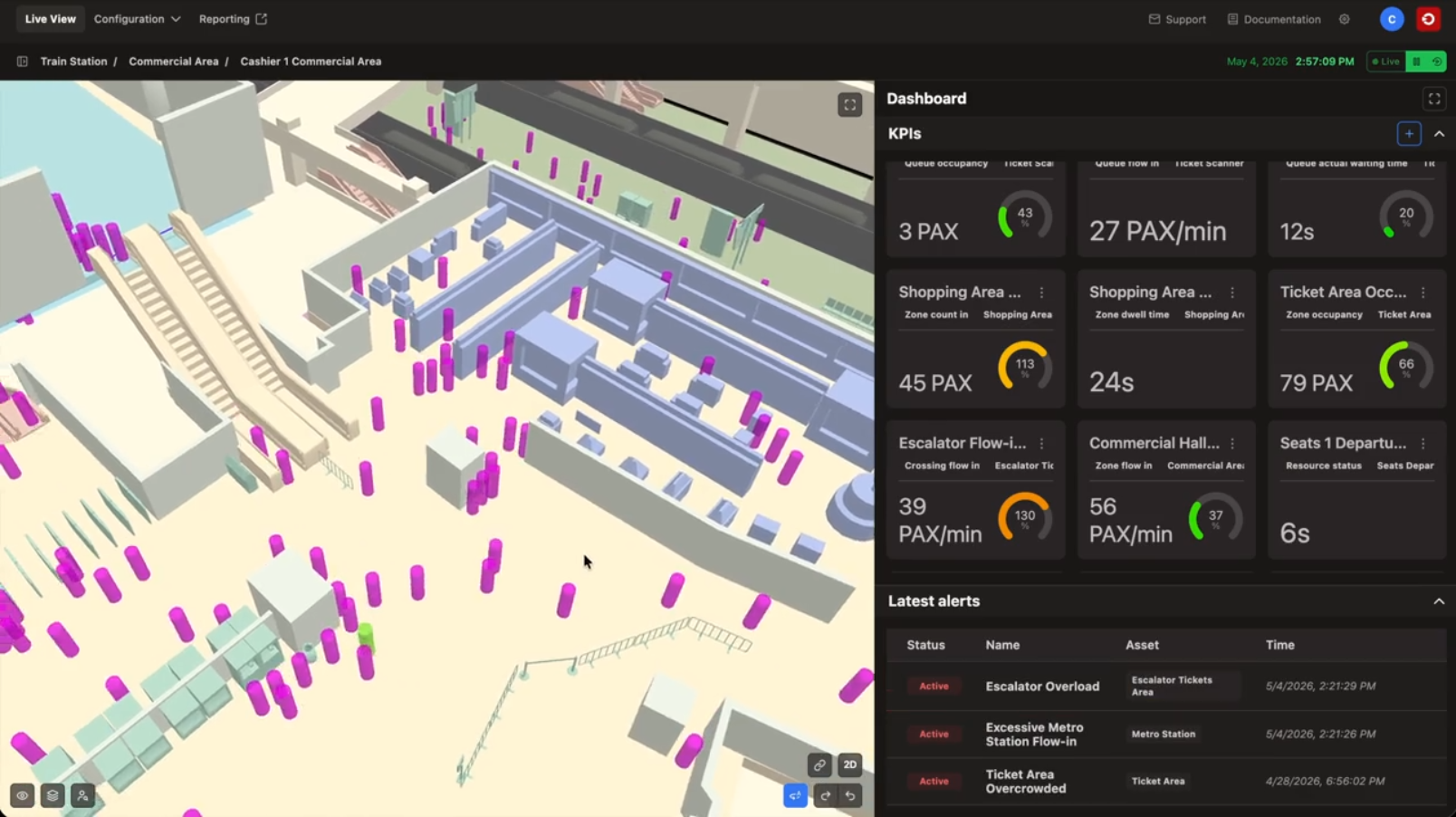
Using 3D LiDAR data, the technology continuously tracks how people and vehicles move, behave and interact across physical environments. Every movement becomes actionable operational insight, from flows and bottlenecks to dwell times, occupancy and asset utilization.
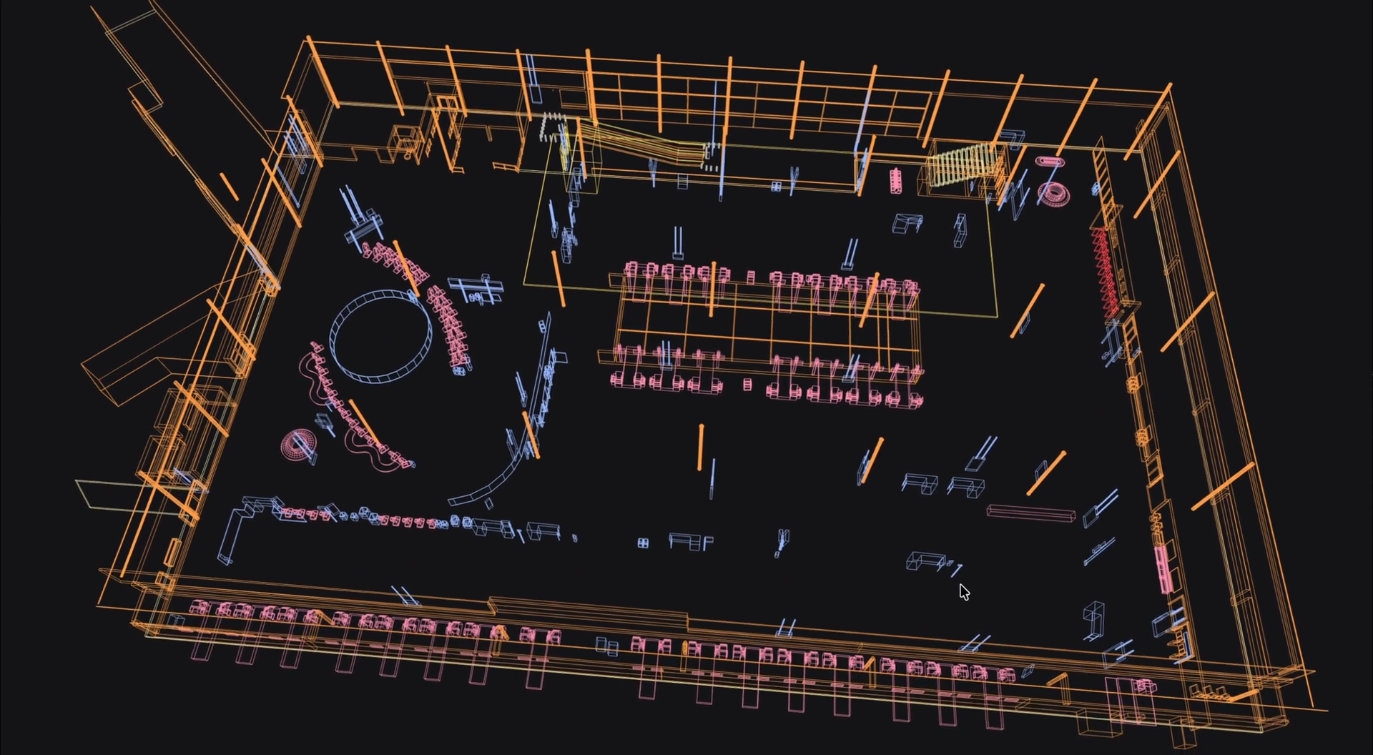
The result is what Outsight calls a Motional Digital Twin.
Rather than a static digital representation of a venue, it creates a live 3D replica of how movement is happening across the space.
Operators can see what is happening, understand patterns and respond using real-world movement data.
And it happens fast. Outsight processes real-time data at under 50 milliseconds and currently tracks more than 283 million people annually across its deployments worldwide.
How Outsight Works
The foundation is LiDAR, a technology that uses laser pulses to measure the physical environment in three dimensions.
Instead of capturing traditional images, LiDAR captures geometry.
Outsight transforms that raw 3D information into something operators can actually use.
People are tracked anonymously from entry to exit, giving the technology a complete view of every trajectory across the entire venue, along with density, movement patterns and interactions, all with privacy preserved by design.
That distinction is especially important in environments where operators need visibility at scale while protecting visitor privacy.
No faces need to be captured.
No biometric identity is required.
What matters is movement.
Where people are. Where they are going. How long they stay. And what is happening around them.
Why This Gets Really Interesting for Sports
Traditional monitoring can tell operators part of the story.y, showing isolated zones, one view at a time.y.
Spatial Intelligence gives them Global Situational Awareness: a continuous understanding of every movement, across the whole venue, in real time.
Outsight can continuously track crowd flows across entrances, concourses, seating areas and exits, helping venue teams identify bottlenecks, understand occupancy and respond as conditions change.
The same platform strengthens safety and security, detecting abnormal events as they unfold and giving teams a complete, instant picture of the situation when an emergency strikes.
See the Bottleneck Before It Becomes a Problem
The real value of live movement data is not simply knowing how many people are inside a venue.
It is understanding how they are moving., behaving and interacting. .
During a major tennis event in Europe, LiDAR technology detected congestion developing at two main gates five minutes before it became visible through security cameras.
That gave staff an opportunity to redirect traffic before the situation escalated.
Now apply that across an entire sports venue.
Operators can identify areas where density is increasing.
Staff can be moved based on actual crowd distribution.
Entrances and exits can be monitored as conditions change.
Potential safety risks can be detected earlier.
Instead of reacting to what has already happened, teams gain the information to respond to what is happening right now.
Better Operations Can Mean a Better Fan Experience
Crowd intelligence is also experience intelligence.
Every unnecessary queue or congested concourse becomes part of the fan journey.
Understanding movement allows venue operators to see where friction is actually happening.
That can influence how staff are allocated, how entrances operate and even how amenities such as concessions and restrooms are managed.
If one concession area consistently experiences peak demand while another remains underused, movement data can help make that visible.
If a particular entrance creates recurring congestion, operators can understand the pattern rather than relying solely on observation.
If fans are spending too long waiting instead of experiencing the event, teams have data they can act on.
Outsight brings physical behavior into the operational decision-making process, helping venues move from assumptions toward evidence, with laser precision.
Privacy Without Losing Visibility
There is another important part of the equation.
Understanding crowd behavior has traditionally meant cameras.
Outsight offers a fundamentally different approach.
LiDAR captures 3D geometry rather than conventional images. That means a venue can understand where people are moving without capturing their faces or biometric identity.
For operators, the result is an interesting combination:
High visibility into movement. Low visibility into identity.
That makes it possible to build detailed operational intelligence around crowd flows while keeping individuals anonymous.
For venues managing thousands of people simultaneously, privacy does not have to come at the expense of understanding what is happening across the space.
From Matchday Decisions to Long-Term Venue Planning
The value of Spatial Intelligence does not disappear when the crowd goes home.
Historical movement data can help operators understand how a venue behaves across different events.
A football match creates one movement pattern.
A concert can create another.
A sold-out event can put completely different pressure on infrastructure than a lower-attendance fixture.
That information can support decisions beyond daily operations.
Outsight can help operators ground capacity planning and future renovations in how people actually use a space. Real movement data can also feed simulations, giving teams a stronger foundation for evaluating changes before committing to them.
For venue owners, that turns movement into something more than an operational metric.
It becomes an input for future investment.
Built for Infrastructure at Scale
This same technology already operates in some of the world’s most demanding environments, tracking the movement of hundreds of millions of people every year.
Outsight operates across transportation hubs, industrial and logistics sites, smart cities and smart places. Its technology is trusted by organizations such as Groupe ADP, Aeroporti di Roma and Singapore Changi Airport, as well as major train stations and some of the world’s most iconic tourism sites, and supports more than 210 compatible sensor models.
That experience matters for sports.
Transportation Hubs and stadiums share an important challenge: both need to move large numbers of people safely and efficiently through complex infrastructure.
Sports venues add another layer of intensity because demand can arrive in enormous waves around a single event.
What Spatial Intelligence has enabled across major transportation environments can increasingly become part of how stadiums and arenas operate too.
Making the Physical World Smarter
Sports organizations spend enormous energy understanding their fans.
What they watch.
What they buy.
How they engage.
What content they consume.
Outsight adds another dimension:
How they move, what they do.
Through the gate.
Across the concourse.
Around the venue.
Into different areas.
And eventually back out.
That movement and behaviour contains valuable information about operations, safety and experience.
Outsight makes it visible without making the individual visible.
For stadiums, arenas and large sports venues, that could mean faster decisions, better crowd management, more informed planning and a smoother fan journey from arrival to exit.
Because the smarter a venue becomes at understanding movement, the better it can become at serving the people moving through it.
Learn more in: https://www.outsight.ai/


Comments