









The Wake-Up Call: Why Most CEOs Are Preparing for the Wrong Future
3 Min Read
The Wake-Up Call: Why Most CEOs Are Preparing for the Wrong Future
Imagine someone told you that another global disruption, on the scale of COVID-19, was likely to hit within the next few years.
You would not know exactly when.
You would not know exactly how it would unfold.
But you would know it was coming.
What would you do?
You would rethink your strategy.
You would redesign your products.
You would challenge old assumptions.
You would change the way you hire.
You might strengthen parts of the business and abandon others entirely.
You would prepare.
And yet, that is exactly what most founders are not doing today.
Because AGI could become the most significant business shift of our lifetime.
That may sound dramatic.
But listen to the people building it.
Google DeepMind CEO Demis Hassabis has written that his company believes AGI will be “the most profound technology ever invented.” (Google DeepMind)
Anthropic CEO Dario Amodei prefers the term “powerful AI.” He believes it could arrive “as early as 2026,” while openly acknowledging that it may take much longer. (Dario Amodei)
They may be wrong about the timing.
But if they are even close, waiting for certainty could become one of the most expensive decisions a founder makes.
We are looking in the wrong direction
Most people still think about AI in terms of prompts.
Chatbots.
Faster emails.
Better presentations.
Shorter meetings.
More efficient workflows.
All of that is useful.
None of it reaches the heart of what may be coming.
The question is not:
How can AI improve the company I built yesterday?
The question is:
How would I build my company if intelligence became abundant?
A while ago, I spoke with the CEO of a large company in the sports industry.
He told me about everything they had done in digital transformation, innovation, automation, and AI.
Then I asked him a simple question:
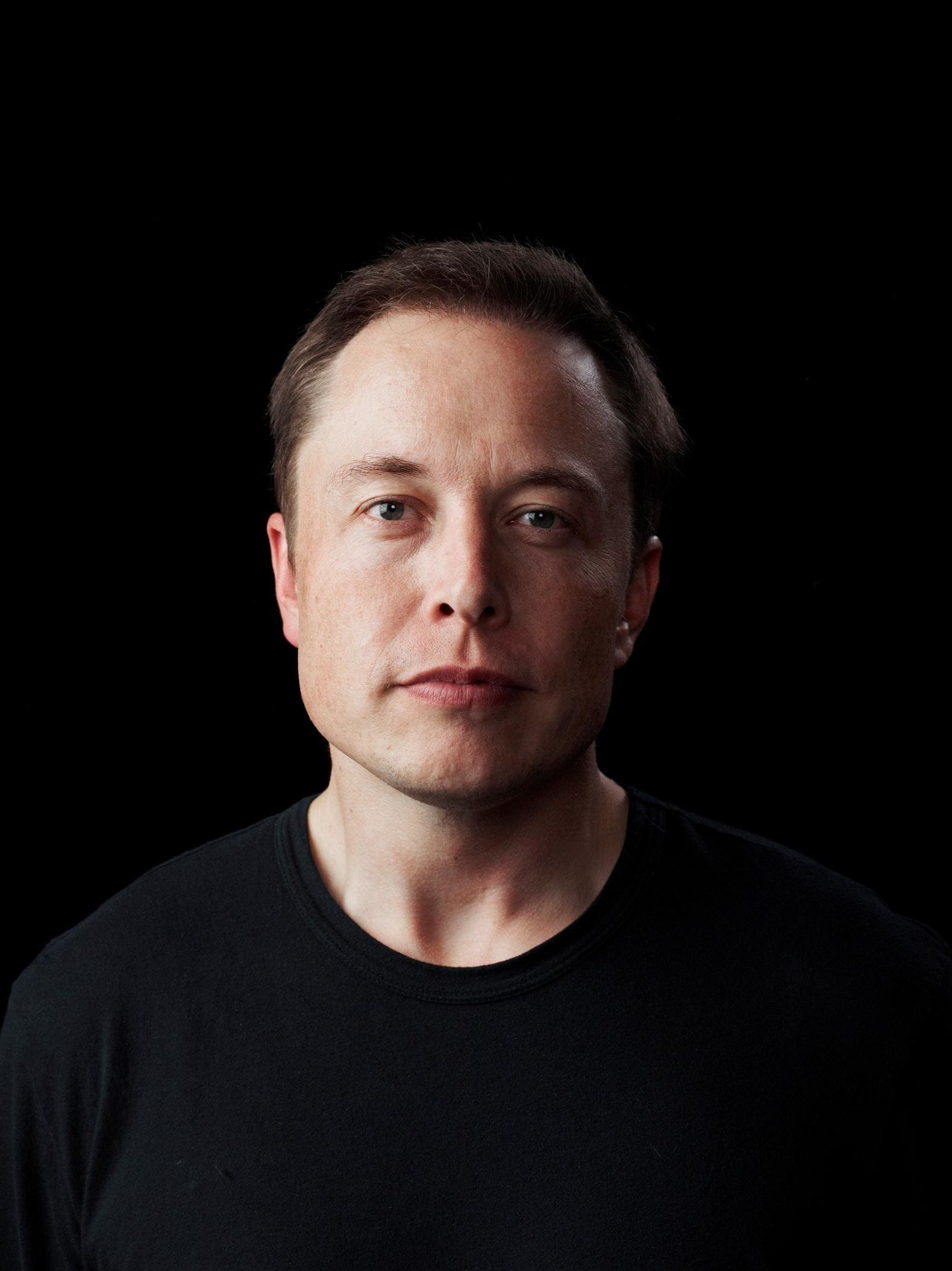
“What would Elon Musk do if he became your CEO tomorrow morning?”
At first, he laughed.
Then he paused.
A few moments later, he answered:
“He would automate far more than I have.”
“He would remove layers.”
“He would challenge almost everything.”
“He would probably rebuild much of the organization from the ground up.”
That was the moment the question landed.
The real question was not what Elon Musk would do.
The real question was why he was not already doing it himself.
AI improves tasks. AGI could rebuild the company.
Most founders are using AI to improve the company they built yesterday.
They should be preparing to build the company that will win tomorrow.
That is the practical difference between AI and AGI.
AI helps you complete a task.
AGI could manage the entire process.
AI writes an email.
AGI could identify the right prospect, research the company, write the message, manage the outreach, analyze the response, and decide what should happen next.
AI creates a presentation.
AGI could study the market, develop the strategy, build the presentation, identify potential customers, and execute the follow-up.
AI helps people work faster.
AGI could change what work means.
That is why the exact timing matters less than many people think.
It may take one year.
It may take three.
It may take longer.
Waiting for certainty is not a strategy.
If you knew a major disruption was likely, you would not wait for an official announcement before preparing.
The five-person company
Now imagine building a company today.
Not with 500 employees.
Not with 100.
With five.
Then imagine giving those five people access to hundreds of highly capable digital workers:
Researchers.
Analysts.
Developers.
Designers.
Lawyers.
Strategists.
Salespeople.
Operators.
They work around the clock.
They speak every language.
They learn continuously.
They execute at a speed no traditional organization can match.
Would you build the same company?
Would you hire the same people?
Would you create the same hierarchy?
Would you choose the same business model?
Would you even build the same product?
I do not think you would.
That is the thought experiment every founder should run today.
Not:
How do I add AI to my company?
But:
What would this company look like if I were building it from scratch for the age of AGI?
What changes when intelligence becomes abundant?
Small companies become dramatically more powerful.
Execution becomes more important than scale.
Organizational layers become harder to justify.
Knowledge becomes cheaper.
Judgment becomes more valuable.
Speed becomes a competitive advantage.
Trust, reputation, relationships, and access become even stronger assets.
And companies that learn quickly begin to outperform companies with far greater resources.
This is not another software upgrade.
It is a potential redesign of how companies are built.
What should founders do now?
Start with the foundations.
Document the knowledge that currently lives inside people’s heads.
Create one reliable source of truth for your data, conversations, processes, and decisions.
Map the work being done across the company.
Question every role, meeting, process, and assumption.
Stop thinking only in terms of headcount.
Start thinking in terms of capabilities.
Which capabilities must remain human?
Which can already be enhanced by AI?
Which may eventually become fully autonomous?
Build a culture of constant experimentation.
Most importantly, stop treating AI as a writing assistant.
Start treating it as the beginning of a new operating model.
Final thoughts
The question that matters
I do not know exactly when AGI will arrive.
Nobody does.
But I know this:
If Elon Musk walked into your office tomorrow morning and became the CEO of your company, he would not begin by asking how to make it 10% more efficient.
He would ask a much harder question:
If you were starting this company today, would you build it exactly as it is?
If the answer is no, the future is no longer something you should be waiting for.
It is something you should be preparing for.
The winners of the next decade will not be the companies that use AI.
They will be the companies brave enough to rebuild themselves around it.
With the Love for Sports and Innovation,
AR
CEO, HYPE Sports Innovation
P.S.
I want to share something I’ve never done before.
I’m creating “The Board” for a small group of founders who are tired of working hard without growing fast enough.
We’ll focus on the decisions and sales strategy that create real growth in sports.
On August 6, I’ll share exactly how it works and who it’s for. If you’d like to understand how it works, save your spot here.



Comments
Gene Nash
Having navigated the complexities of leadership in a rapidly changing world, I found your insights on CEOs' future preparedness incredibly compelling. The emphasis on agility and foresight resonates deeply! It’s a stark reminder that focusing solely on immediate market trends can blind leaders to transformative shifts ahead. This perspective is crucial for fostering innovation and sustainability in any industry. Thank you for sparking such vital discourse! rhythm games