








The Most Expensive Grass in the World
3 Min Read
The Most Expensive Grass in the World
Why FIFA Is Selling Pieces of the World Cup Final Pitch to Fans, and the New Revenue Opportunity It Reveals
FIFA Is Selling History Before It Happens
What a $450 piece of grass reveals about the next revenue model in sports
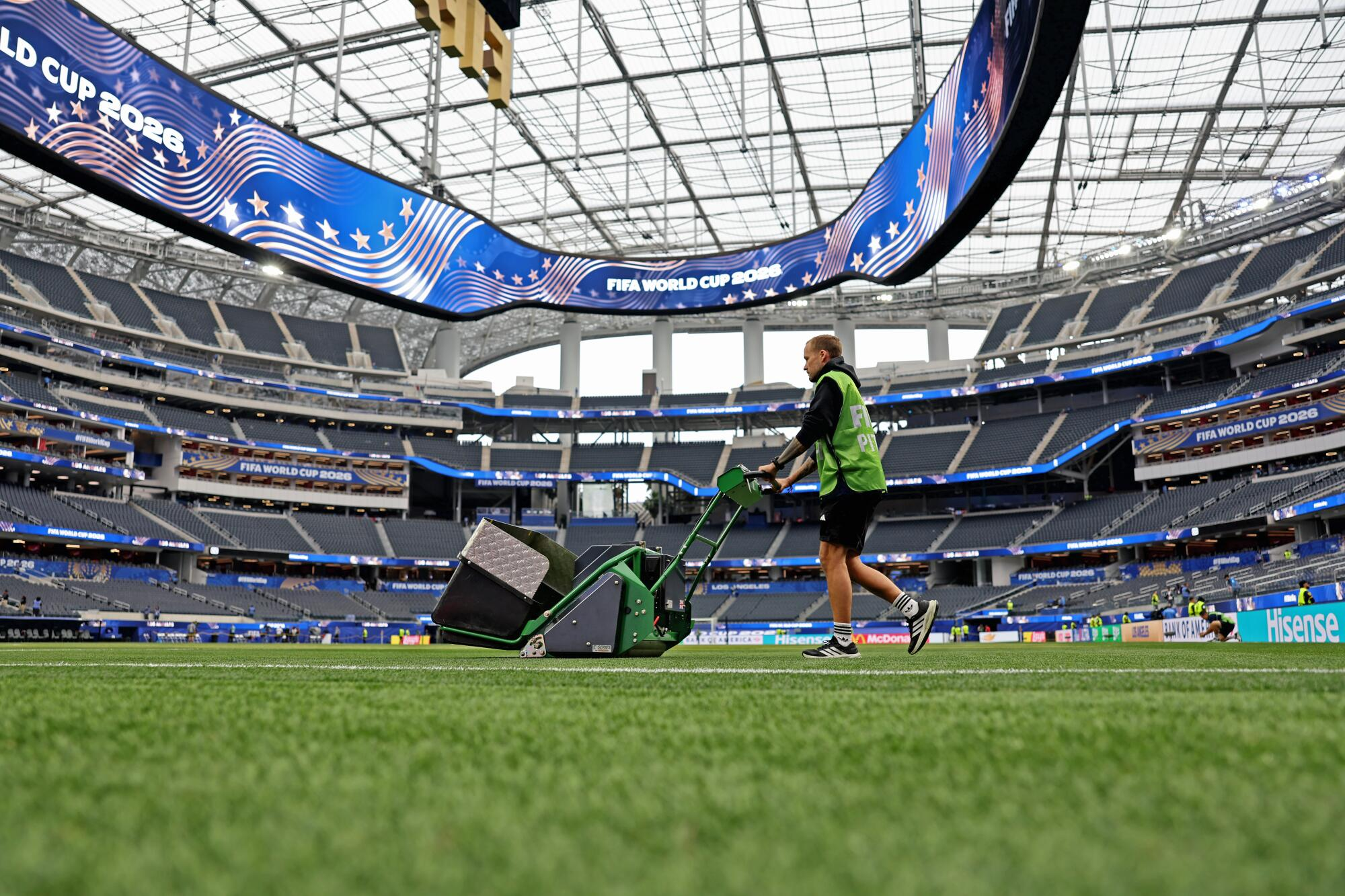
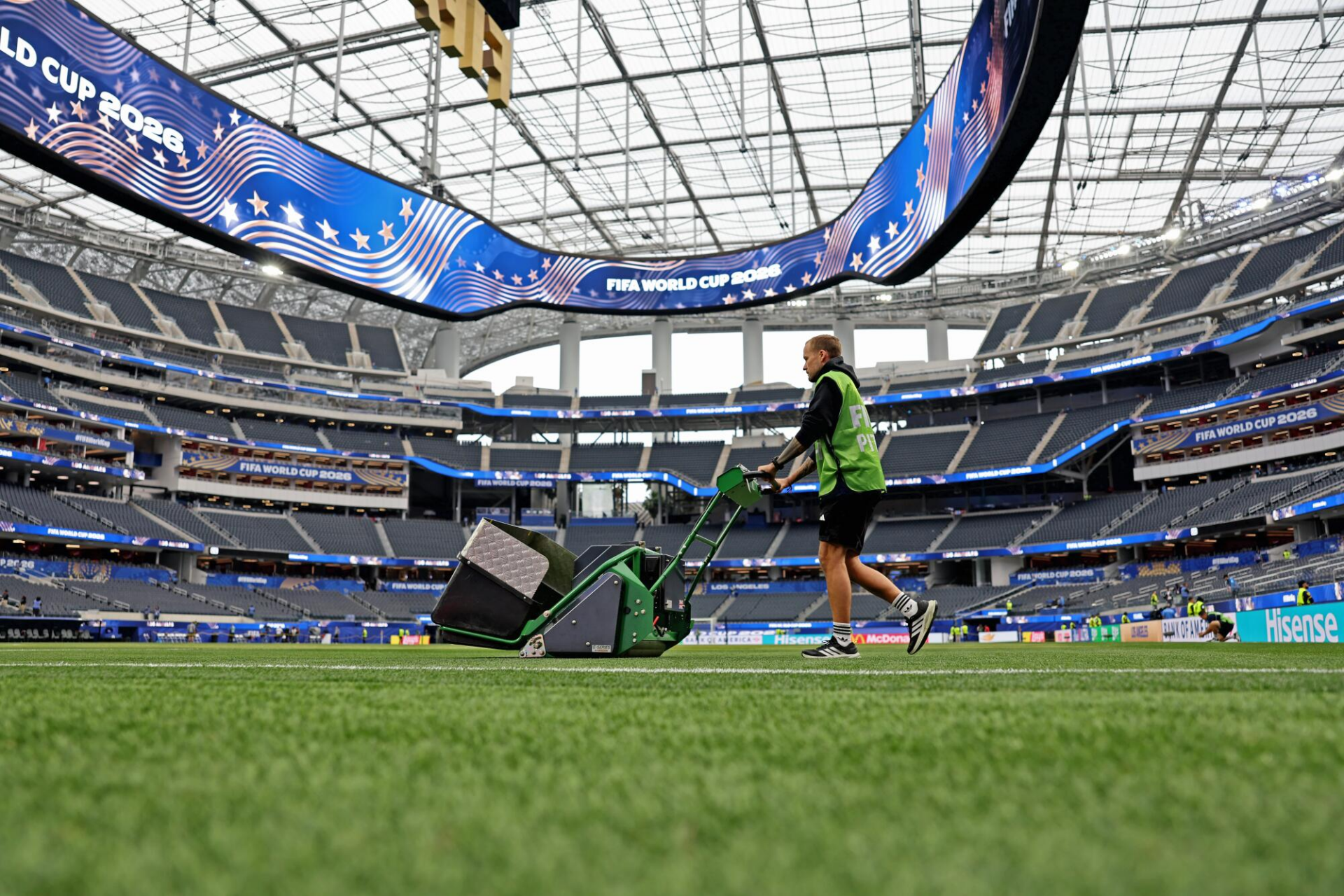
FIFA is selling pieces of the pitch from the 2026 World Cup Final for between $450 and $3,000.
The final takes place on July 19.
The pitch has not hosted the match yet.
We still do not know the final result, the winning team, the defining goal, or whether this will become one of the great games in football history.
FIFA has already put pieces of that history on sale.
And according to its official store, all four editions are currently sold out. (FIFA Official Store)
Think about that.
FIFA has found a way to sell history before history has happened.
This may sound like a clever merchandising story.
Sports executives should pay closer attention.
This is a glimpse into a much larger revenue model.
The product is not grass
The raw material has almost no economic value.
The product is ownership of a moment.
A physical connection to the biggest match in world football.
Something a fan can place on a desk and say:
“I own a piece of that final.”
The value comes from four things:
Meaning.
Authenticity.
Scarcity.
Story.
This has always powered sports memorabilia.
A match-worn shirt remains a shirt. A signed ball remains a ball. A seat removed from an old stadium remains a seat.
Its value changes when it becomes connected to history.
The major development is that sports organizations are becoming much better at designing, authenticating, packaging and monetizing that connection.
NFTs understood the psychology
The NFT era became an easy target.
Prices collapsed. Speculation took over. Many projects disappeared as quickly as they arrived.
Still, NFTs understood something important about fans.
Fans want ownership.
They value scarcity.
They care about official authentication.
They will pay for a numbered connection to a meaningful sporting moment.
NBA Top Shot proved the scale of that demand. At its peak, the platform processed more than $250 million in sales from 100,000 buyers in a single month by turning officially licensed NBA highlights into limited digital collectibles. (Axios)
The problem was the experience.
Most fans did not wake up wanting a blockchain wallet, cryptocurrency, private keys or an unfamiliar marketplace.
They wanted to feel closer to the game.
FIFA has kept the strongest elements of the NFT model:
Scarcity.
Official provenance.
Limited drops.
Tiered pricing.
Collectability.
It has placed those elements around something people immediately understand and can physically hold.
Fans never wanted the blockchain.
They wanted a verified piece of the moment.
The business model is highly efficient
This is the part sports executives should study.
FIFA starts with an asset that would normally have limited commercial value after the tournament.
It then creates value in layers.
The first layer is association: the grass comes from the World Cup Final.
The second is provenance: FIFA verifies its origin and preservation.
The third is scarcity: the supply is controlled.
The fourth is packaging: editions are offered at $450, $900, $1,200 and $3,000, with increasingly premium certificates, presentation cases and additional collectibles. (FIFA Official Store)
The fifth is advance sales: customers place orders before the final and receive the product after the event.
That produces an attractive commercial structure:
Low raw-material costs.
High emotional value.
Customer-funded production.
Reduced inventory risk.
Direct customer data.
Premium margins.
A model that can be repeated.
The grass is the physical product.
The system around it is the business.
FIFA did not invent sports memorabilia
Game-used products have existed for decades.
Teams have sold shirts, balls, stadium seats and pieces of playing surfaces for years.
FIFA itself tested a similar concept following the 2025 Club World Cup Final, selling glass-encased cubes containing grass and soil from the final’s pitch. (FIFA)
The significance of this move lies in how FIFA is packaging and scaling the idea around the largest event in global sport.
A fragmented memorabilia practice is becoming a structured commercial strategy.
That distinction matters.
New categories rarely appear from a completely new invention.
They become important when somebody creates a repeatable model, builds distribution around it and makes it part of the commercial plan.
The event has an afterlife
Sports has become highly sophisticated at monetizing the event itself:
Broadcasting.
Sponsorship.
Ticketing.
Hospitality.
Merchandise.
Commercial thinking often slows down after the final whistle.
That is the opportunity.
Every major event creates physical assets:
The goal net.
The penalty spot.
The corner flags.
The benches.
The tunnel signage.
The warm-up balls.
The dressing-room equipment.
The stadium seats.
The banners.
The objects connected to the winning moment.
Many of these assets are stored, replaced, donated without a strategy, or thrown away.
I believe that will change.
Major events will increasingly have two commercial plans:
An event P&L.
A post-event asset P&L.
Organizations will decide in advance which objects should be preserved, authenticated, packaged and sold.
They will stop treating the physical remains of an event as waste.
They will start treating them as inventory.
There is a line
There is also a legitimate question.
At what point does deeper fan engagement become excessive commercialization?
FIFA controls the supply.
FIFA controls the authentication.
FIFA controls the packaging.
FIFA controls the price.
It controls access to the event, and now it can also control access to the history created by the event.
That power needs to be handled carefully.
Artificial scarcity without emotional substance eventually feels empty.
The strongest models will create genuine access and meaning for fans, across different price points, rather than squeezing revenue from every object that touched the field.
The commercial opportunity is real.
So is the responsibility to protect the emotional value that makes the product desirable in the first place.
Final Thoughts

What comes next
This model will move far beyond pieces of grass.
Future sports events will ask:
What can we sell before the event?
Which assets should we authenticate during it?
Which objects can become products immediately after it?
How can physical ownership unlock future content, access or experiences?
The next generation of collectibles will likely combine both worlds.
A physical item.
A digital certificate.
A verified ownership history.
Exclusive footage.
Access to future events.
Benefits connected to the team, athlete or competition.
FIFA already operates an official digital collectibles platform built around different rarity levels, trading and ticket-linked products. The digital infrastructure has not disappeared. It is becoming part of a broader fan product rather than the entire story. (FIFA Collect)
FIFA is selling grass today.
The bigger play is extending the commercial life of an event long after the final whistle.
The next major revenue stream in sports is already on the field.
The only question is whether you see an asset, or something you are about to throw away.
With the Love for Sports and Innovation,
AR
CEO, HYPE Sports Innovation


Comments
Ashley
Wow, this deep dive into the cost of premium grass is fascinating! Imagine the sustainability innovations that could emerge if we applied similar investment to eco-friendly turf alternatives. Let’s keep pushing for greener solutions in sports! fnf