



Knowing Your Audience Is No Longer Enough. You Need to Understand Their Behavior.
3 Min Read
Knowing Your Audience Is No Longer Enough. You Need to Understand Their Behavior.
Piano recently joined the HYPE programme. We’re exploring how behavioural analytics can help sports organisations understand their audiences and turn that insight into stronger fan relationships and commercial opportunities.
Every digital platform generates data.
Page views. Visits. Clicks. Video plays. Conversions. Memberships. Ticket and merchandise purchases.
The challenge is not collecting more of it, but understanding what all of that behavior actually means.
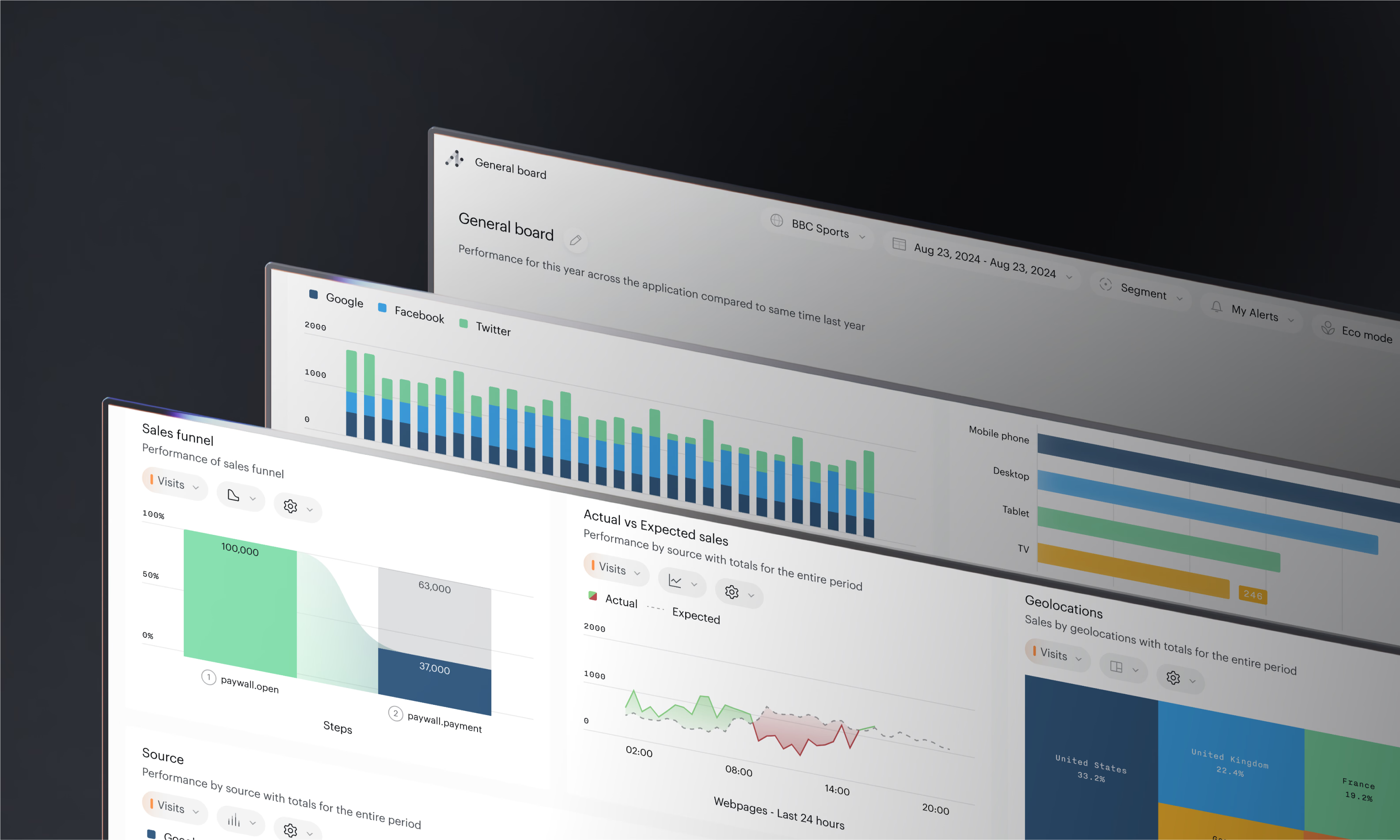
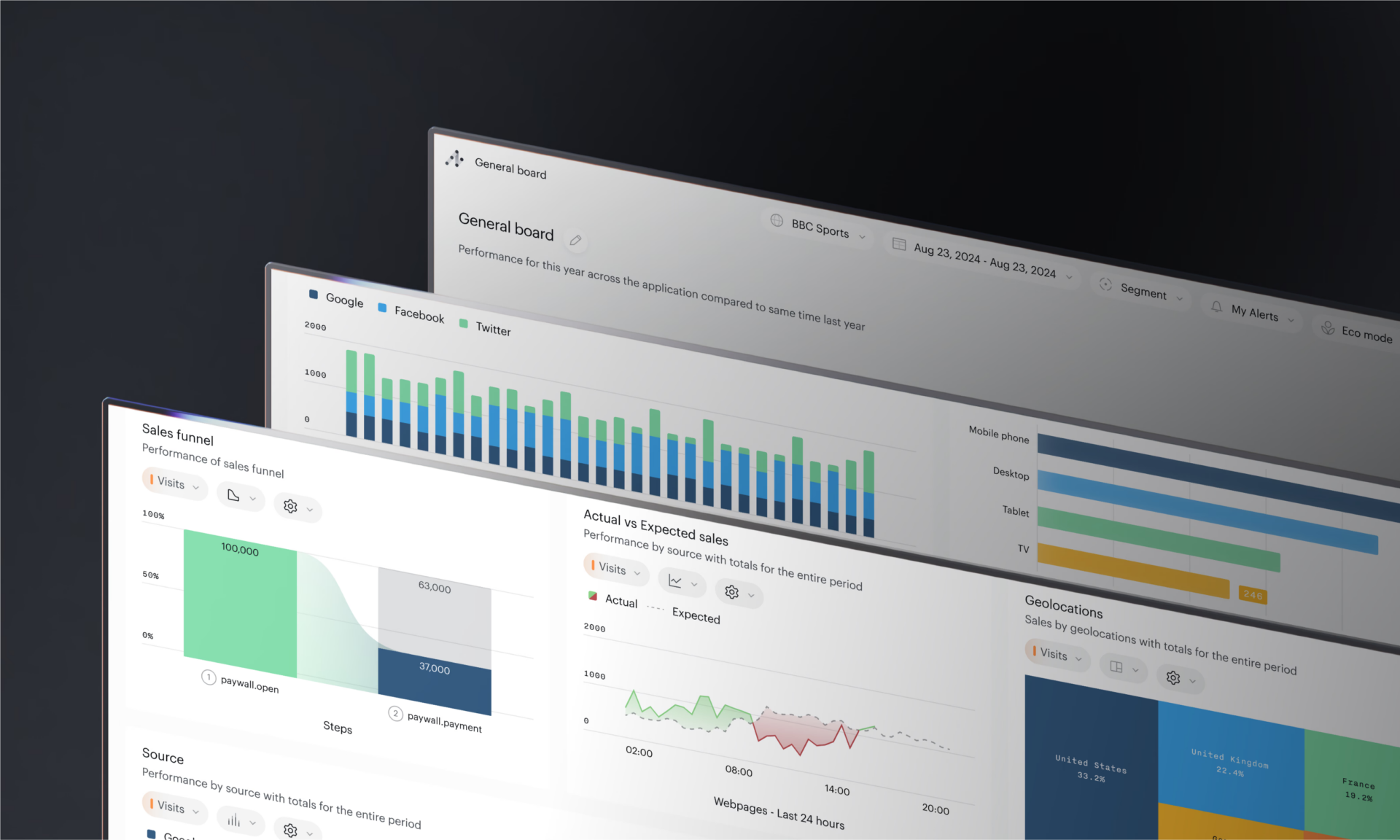
Piano brings digital analytics and subscription and membership management together in one platform. It helps companies understand how people interact with their digital experiences, bringing behavioral data together to create a clearer picture of what audiences actually do, not simply how many of them showed up.
For sports, where clubs, leagues, federations, broadcasters and media properties are building increasingly sophisticated direct relationships with fans, it can become a real advantage.

From Traffic to Behavior
For years, digital performance was dominated by relatively simple metrics: how many people visited, how many pages they viewed and where the traffic came from.
Those numbers still matter. But they only tell part of the story.
A fan can open an article and leave seconds later.
Another can spend several minutes reading, move into related content, watch a video and return the following day.
Both created a page view.
Their behavior tells two completely different stories.
Piano is designed to uncover those differences.
Teams can analyze detailed behavioral events, build customized measurements and explore how different audiences interact across their digital properties.
How Piano Works
Rather than being limited to predefined metrics, organizations can define the events that matter to their business and understand the journeys behind them.
That could mean analyzing content consumption, understanding video behavior, following conversion journeys, identifying where users drop out of an experience, or seeing which interactions are associated with deeper engagement.
The objective is not more dashboards, but better questions answered with better data.
Why This Matters for Sports
Many sports organizations have become digital media businesses in their own right.
A club can operate a website, app, streaming experience, membership program, ticketing journey, ecommerce operation and a constant stream of editorial and video content.
A league can reach millions of fans across multiple digital touchpoints.
A broadcaster can serve completely different audiences across live coverage, highlights, articles and short-form content.
The question is no longer whether fans are engaging, but how.
What content keeps their attention?
Which audiences return?
Where do users leave a journey?
Which experiences contribute to conversion?
Understanding those patterns can influence decisions across content, product, membership, marketing and monetization.
What Better Measurement Can Unlock
When the BBC changed how its sports team pages delivered content, moving from a traditional format toward a richer stream of short-form posts, it needed a different way to understand audience engagement.
That created a measurement challenge.
Traditional click-based analytics could not fully explain whether audiences were actually engaging with the new experience.
Using Piano, the BBC developed a new behavioral measurement called Dwell events, identifying when content held a reader’s attention for 15 seconds or longer.
That gave its sports editorial and product teams a better way to understand what audiences valued and optimize the experience around actual behavior.
With the new content approach in place, the BBC recorded a 28% increase in average weekly unique visitors to its sports pages compared with the previous season, alongside a 106% increase in average time spent per visit.
The lesson is bigger than one metric.
Sometimes the problem is not that audiences are not engaging.
It is that you are measuring engagement the wrong way.
Content Decisions Backed by Real Behavior
Editorial teams can understand which formats actually hold attention.
Product teams can see how fans navigate an app or website.
Video teams can understand how audiences interact with content beyond a simple play.
Commercial teams can gain a better understanding of the audiences surrounding different content.
Membership and fan-engagement teams can analyze how behavior changes across different types of users.
Instead of every department operating with a different interpretation of the fan, behavioral data can create a shared understanding of what is actually happening across the digital experience.
That changes the conversation from:
“We think fans like this.”
to:
“This is how fans are actually behaving.”
Piano’s AI tools, including the Piano Agents App and its desktop chat experience, add another way to explore that data through natural language questions. For content, product and commercial teams, this can make it easier to investigate audience patterns and get to useful answers without building every analysis manually.
Turning Behavior Into Better Experiences
Understanding behavior becomes even more valuable when teams can identify meaningful patterns across their audiences.
Some fans consistently consume one type of content. Others visit frequently but never register, interact heavily with video, or return around specific teams, competitions or moments.
For sports organizations, that intelligence can become the foundation for more relevant digital journeys and better decisions about what experiences audiences actually value.
Understanding behaviour can also support the journey from anonymous visitor to known, engaged fan. Across its analytics, audience and subscription capabilities, Piano connects measurement with segmentation, personalised experiences, registration and membership management. For sports properties, that creates opportunities to use audience insight to inform registration prompts, tailor journeys and develop relationships that can support membership and recurring revenue.
Understanding Audiences Responsibly
As organizations become more sophisticated in how they understand digital behavior, privacy and data governance need to evolve alongside that capability.
Piano includes privacy controls around areas such as consent, data retention and anonymization, helping organizations maintain control over how behavioral data is collected and handled.
Run consent-free analytics in France, Italy, Spain, the Netherlands, and the UK. Capture the unconsented traffic that cookie banners currently block.
The goal is not simply to know more about audiences, but to build useful intelligence while treating that data responsibly.
Built for Digital Scale
Sports audiences do not arrive at a constant pace.
A goal. A transfer announcement. A championship. A viral highlight.
Any of those moments can create an immediate surge in attention.
Analytics needs to keep up.
Piano processes more than four trillion events per year and up to 120,000 events per second, without data sampling.
That scale allows organizations to analyze digital behavior even when attention accelerates around the moments that matter most.
Every Fan Interaction Tells You Something
Some fans watch every game. Some follow highlights or read analysis. Some buy tickets or merchandise. Some interact every day without ever converting.
The next step in understanding your audience is not collecting another metric.
It is understanding what their behavior is telling you.
Learn more in: https://www.piano.io/



Comments