









From AI Noise to Real Results
3 Min Read
From AI Noise to Real Results
These are the leaders helping the sports industry separate hype from impact, and turn emerging technology into decisions that matter.
Cutting Through the AI Noise. Getting to Real Results.
Meet the leaders helping sport move from pilots and promises to better decisions, measurable value and real ROI.
The sports industry does not need more AI predictions.
Clubs, leagues and broadcasters are already testing new platforms, launching pilots and collecting more data. The real challenge is turning that activity into better decisions and measurable business results.
Where is AI already creating value?
Why do promising pilots struggle to scale?
How can organisations adopt AI without losing trust, authenticity or human judgement?
These are the questions at the heart of the SPORTS, AI & ROI SHOWCASE ROOM on 16 July.
Two focused conversations will examine them:
From AI Pilots to Commercial Value
From More Data to Better Decisions
To lead these discussions, we are bringing together executives working inside some of the world’s leading clubs, broadcasters, governing bodies and sports technology organisations.
These are not commentators watching the transformation from the outside.
They are the people responsible for making it happen.
From AI Pilots to Commercial Value
Across the business of sport, AI is already changing how content is created, how audiences are understood and how fans experience live events.
Broadcasters can accelerate production and create new formats for different audiences and platforms. Rights holders can personalise content at a scale that was previously impossible. Commercial teams can better understand fan behaviour, improve sponsorship value and identify new revenue opportunities.
The opportunity is significant. So are the unanswered questions.
How do organisations move beyond isolated tools and short-term experiments?
How do they prove ROI?
How do they bring their teams with them?
And how do they protect the credibility and authenticity that make sport valuable in the first place?
This conversation requires leaders who understand the technology, the organisation and the audience.
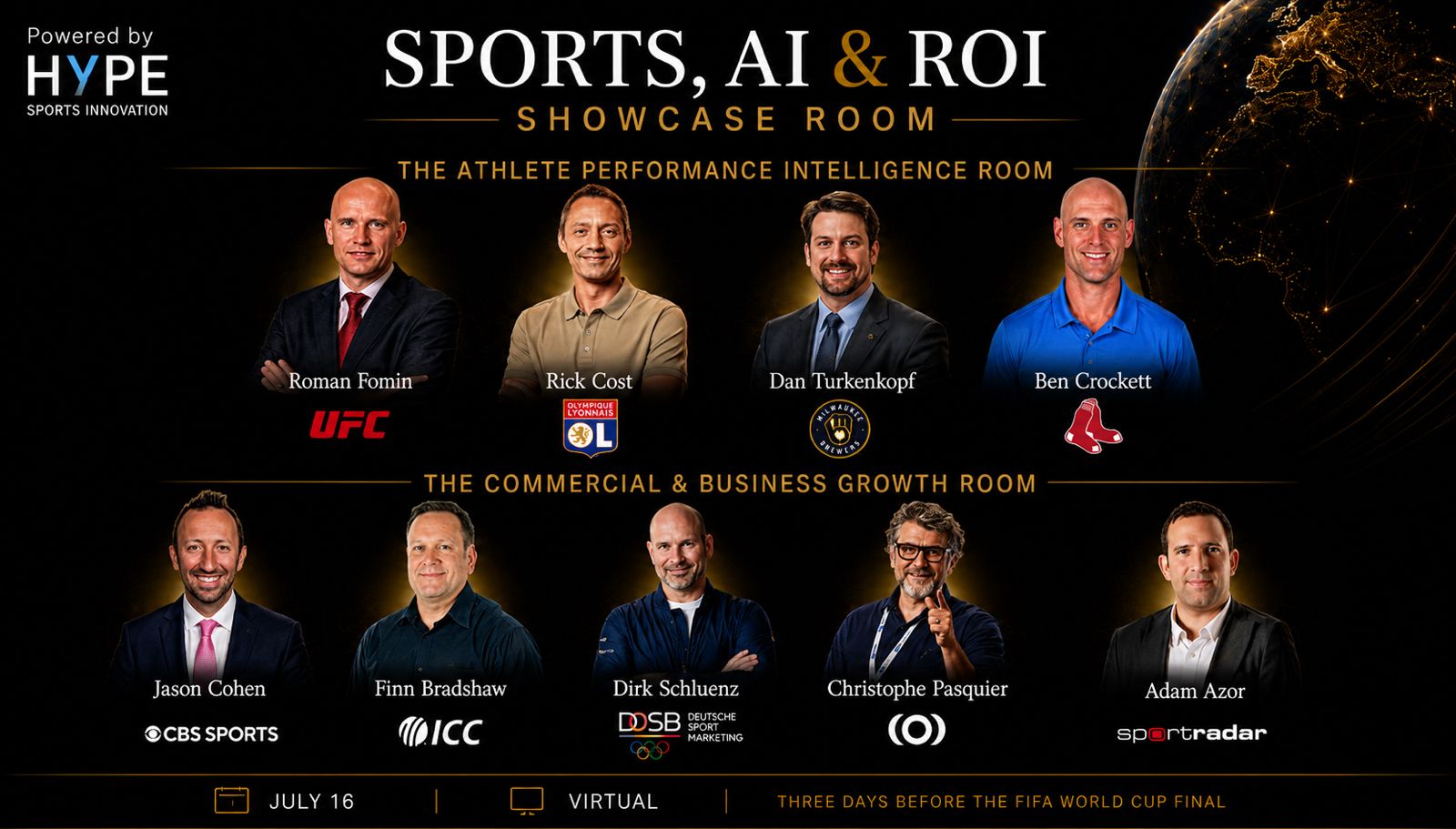
Adam Azor, Executive Vice President at Sportradar, brings a perspective from one of the world’s leading sports data and technology companies, where AI, personalisation and advanced analytics are becoming central to commercial growth and fan engagement.

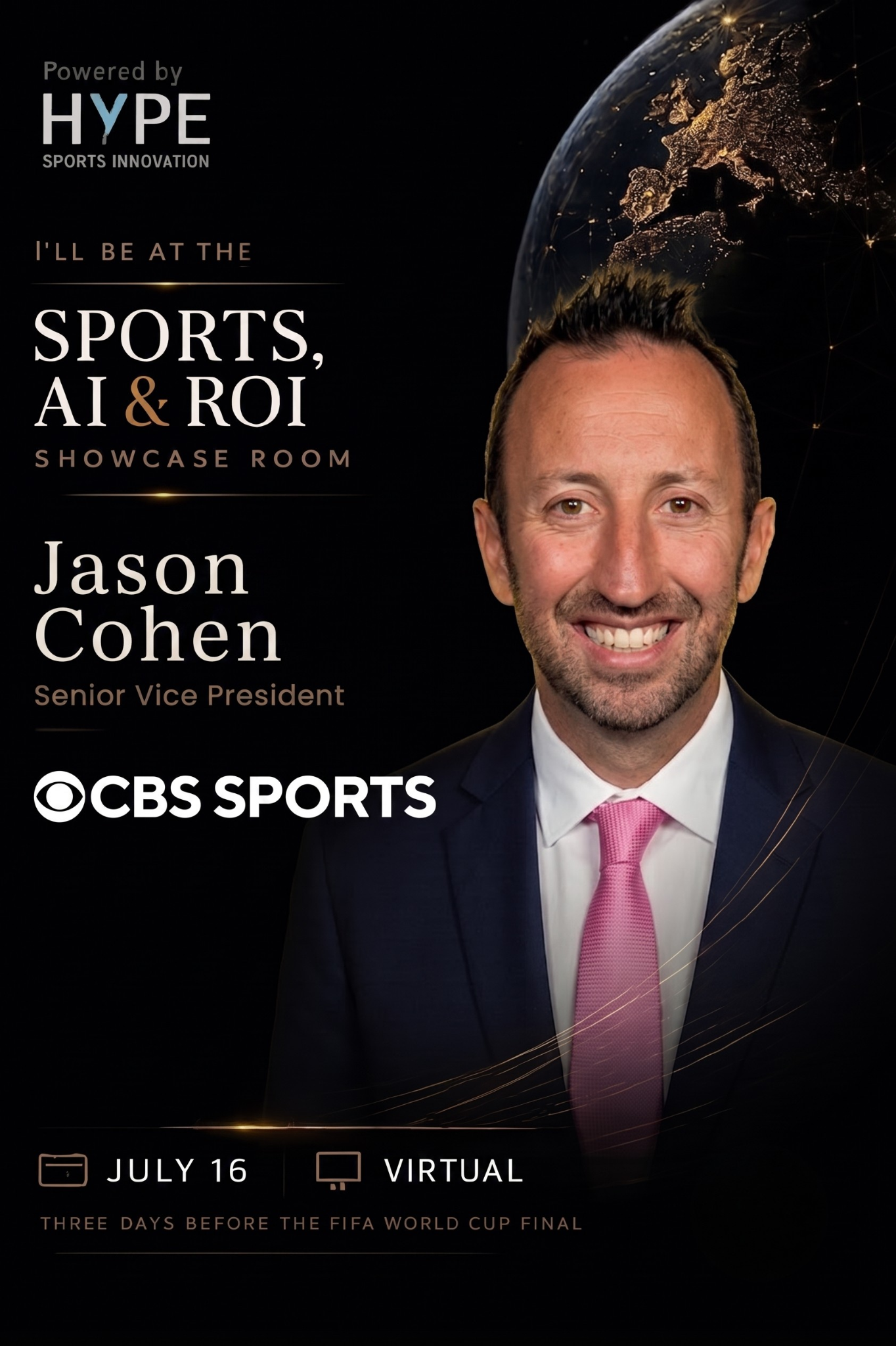
Jason Cohen, Senior Vice President at CBS Sports, works at the point where emerging technology meets the reality of producing some of the world’s most important live sporting events. His perspective will help separate the technologies that genuinely improve production and audience experience from those that remain more promise than practice.
Christophe Pasquier, Head of Audio & Innovation at the EBU, brings deep experience in broadcasting, media production and digital innovation. He will explore how broadcasters can adopt AI while navigating legal, creative, operational and human considerations.

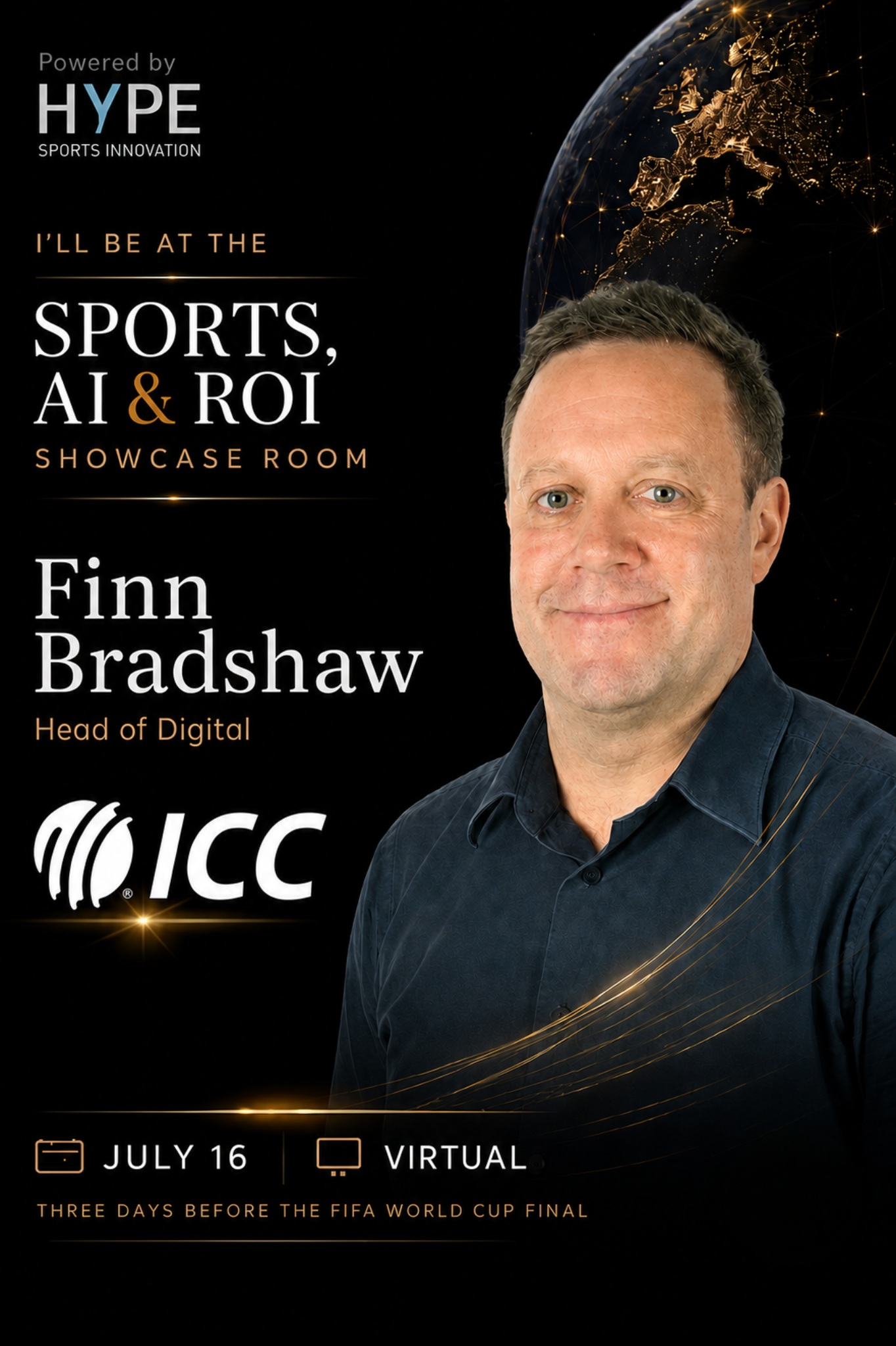
Finn Bradshaw, Head of Digital at the ICC, leads digital transformation for one of the world’s largest global sports governing bodies. His experience provides a unique perspective on engaging vast and diverse audiences across markets, platforms and major international competitions.
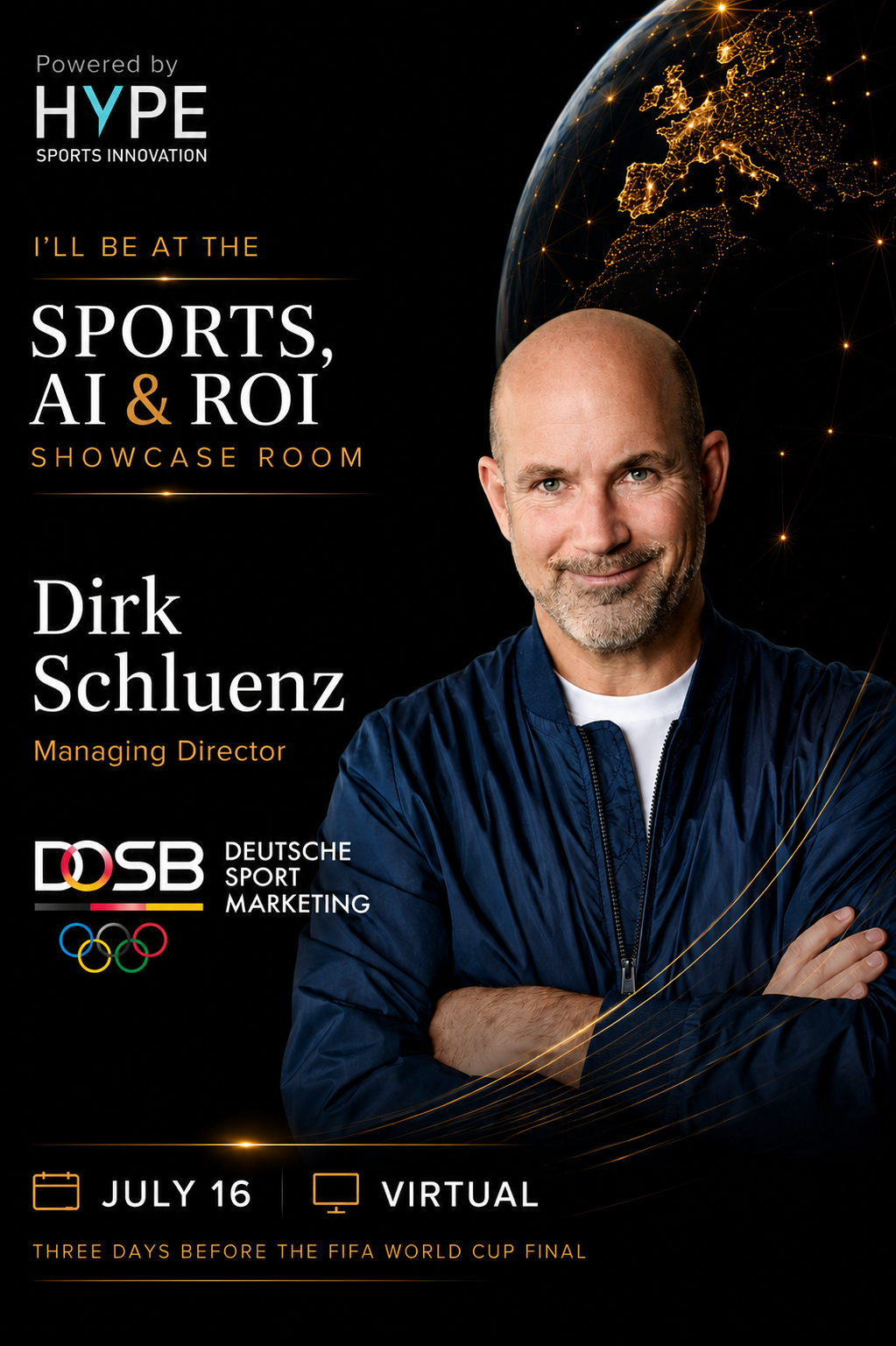
Dirk Schluenz, Managing Director at Deutsche Sport Marketing, brings extensive experience across sponsorship, partnerships and Olympic marketing. His perspective will focus on how innovation can create stronger value for rights holders, brands and fans, rather than becoming another disconnected technology initiative.
Together, they will address a question every sports business leader now faces:
How do we turn the extraordinary potential of AI into measurable commercial value?
From More Data to Better Decisions
Elite sport has spent years building increasingly sophisticated data environments.
Athletes are measured continuously. Teams collect information across training, competition, recovery, medical care, movement and development. Computer vision is making data collection more accurate and less intrusive. Generative AI can simplify complex information and make insights more accessible to coaches and athletes.
More data, however, does not automatically produce better decisions.
Coaches need to trust the recommendation.
Athletes need to understand what it means.
Performance teams need to recognise where a model is strong, where it may be biased and when human experience must override the technology.
This is why the performance conversation will focus less on what can be measured, and more on how information changes real decisions.
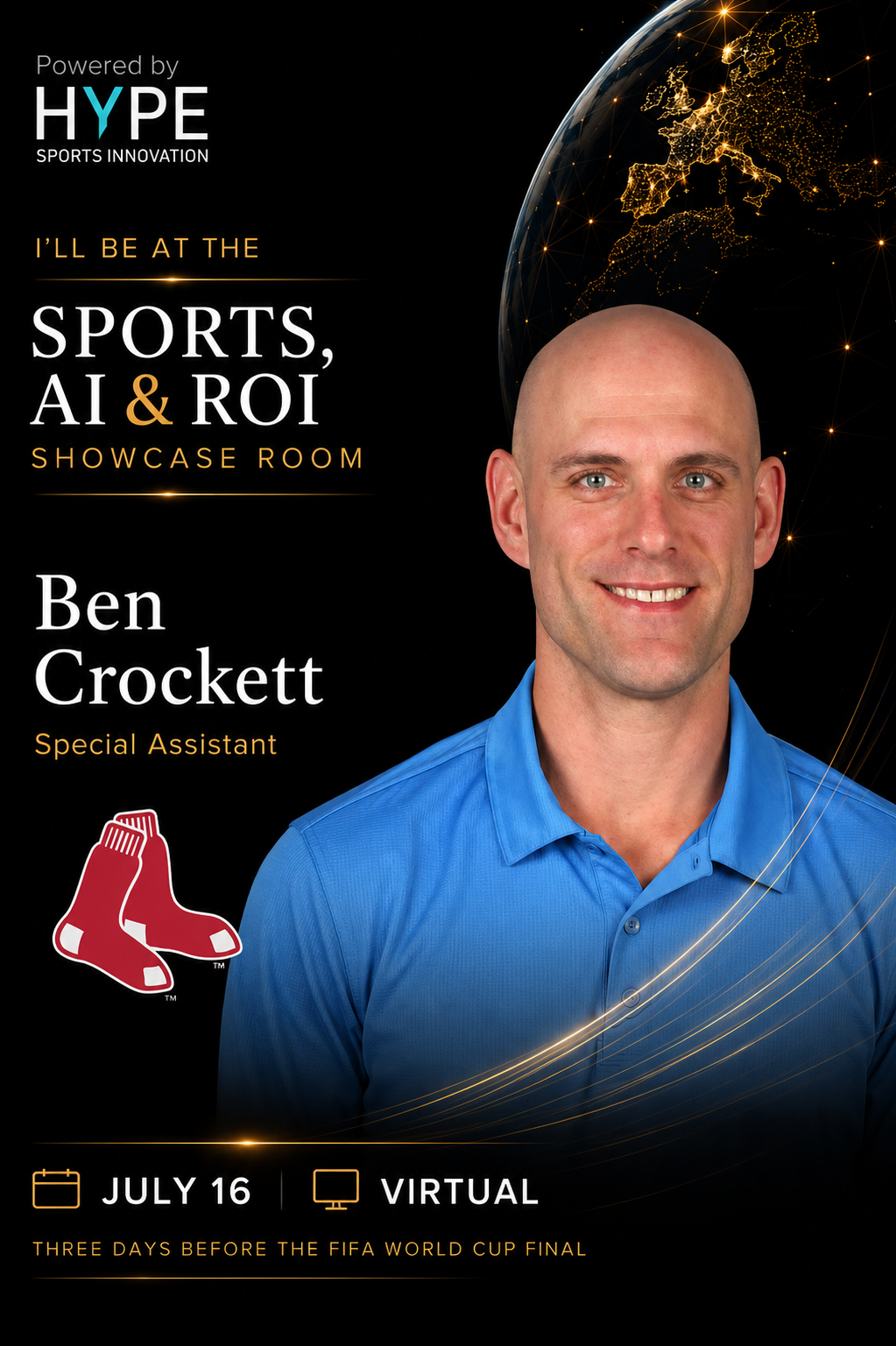
Ben Crockett, Special Assistant at the Boston Red Sox, brings extensive leadership experience across baseball operations, player development and sports performance. His perspective connects technology and data interpretation with the daily decisions made inside an elite sporting organisation.
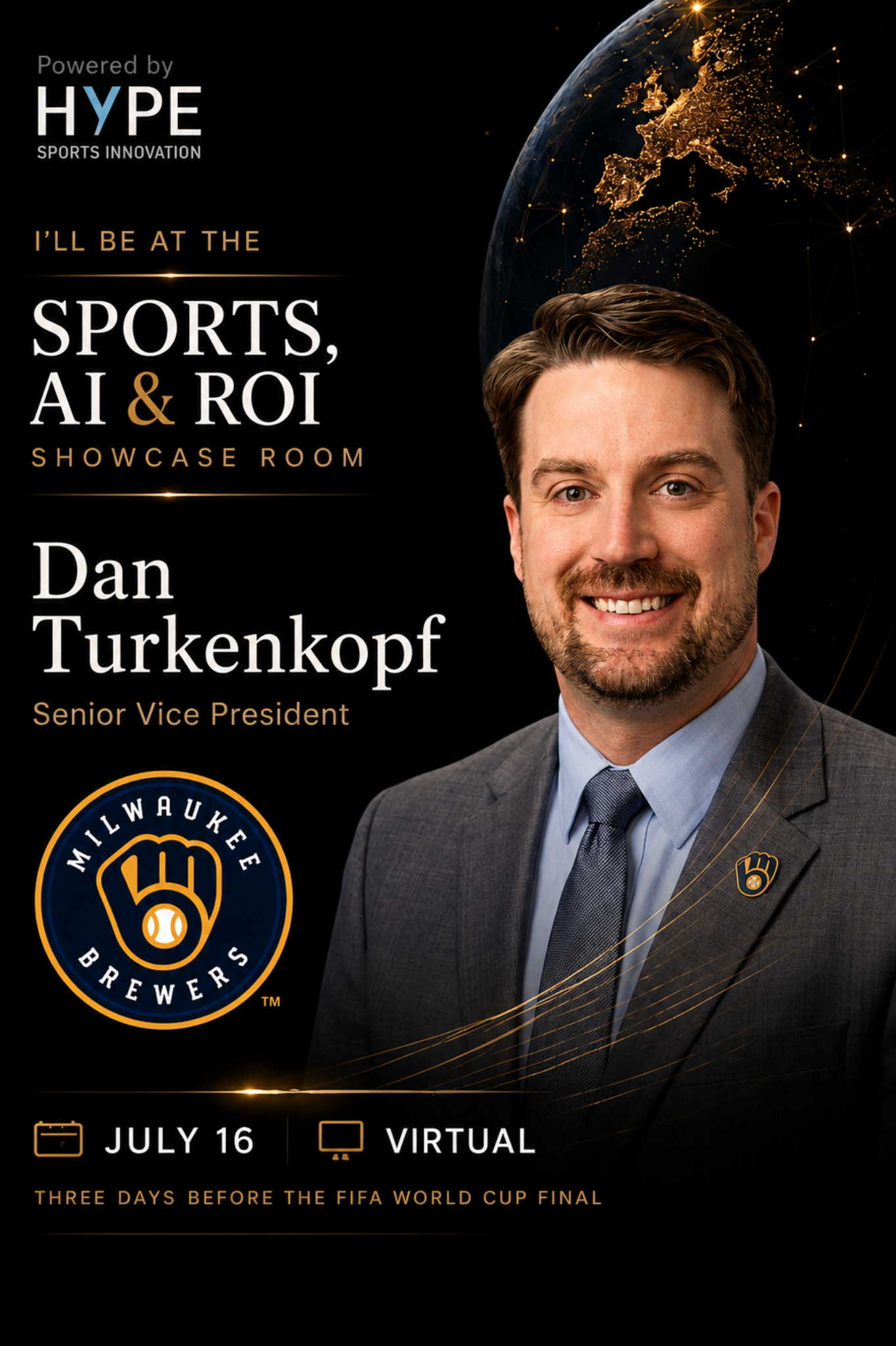
Dan Turkenkopf, Senior Vice President at the Milwaukee Brewers, has worked at the intersection of strategy, research, analytics and organisational decision-making. He will help explore how teams convert complex information into systems and processes that create a sustainable competitive advantage.
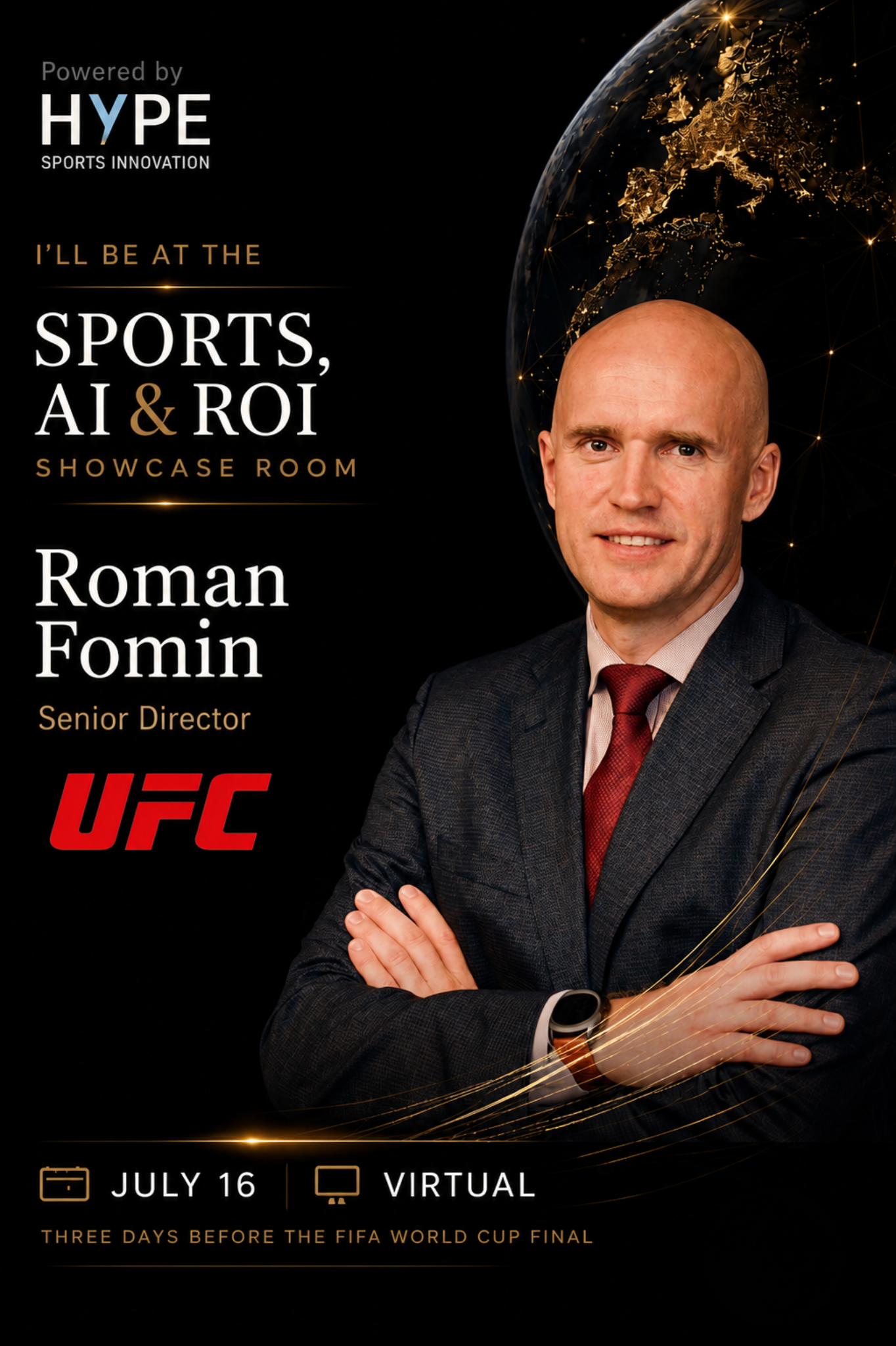
Dr. Roman Fomin, Senior Director at the UFC, leads the development of evidence-based performance methodologies in one of the world’s most demanding sports environments. His work sits directly at the intersection of science, technology, athlete health and elite performance.
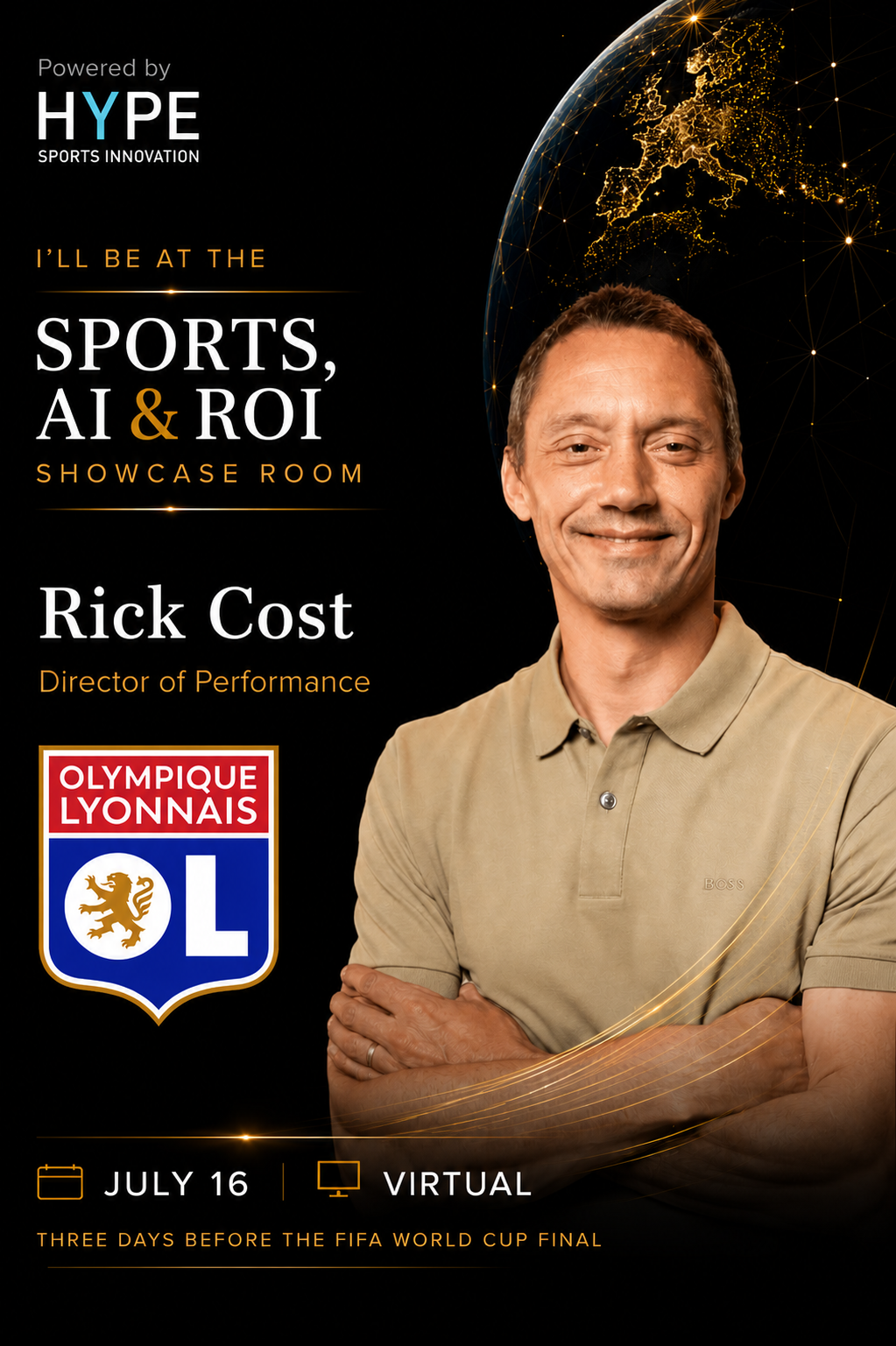
Rick Cost, Performance Specialist, brings more than two decades of experience across elite football and Olympic sport. His perspective goes beyond collecting performance information and examines how teams create environments in which data, technology, coaches and athletes make better decisions together.
The discussion will explore what elite performance departments may look like in three to five years.
It will also ask a harder question:
Regardless of how advanced AI becomes, what should always remain human?
Less Theory. More Evidence.
This will not be a panel built around polished predictions or general statements about the future.
We have asked each leader to come prepared with:
• One real example
• One measurable result
• One honest implementation lesson
• One practical recommendation
The intention is clear: distinguish what is working today from what remains experimental, understand what prevents adoption and give every executive in the room at least one concrete decision to take back to their organization.
The people joining these conversations are not watching the transformation of sport from the outside.
They are responsible for making it happen.
On 16 July, they will come together to share what they are learning, what the industry is getting wrong and where the next meaningful opportunities may emerge.
For any leader responsible for performance, media, digital transformation, fan engagement or commercial growth, this is a conversation worth being part of.
Final spots are now being reviewed.
Request your invitation to the SPORTS, AI & ROI SHOWCASE ROOM.


Comments