



Emotional Health: The Next Opportunity for Sport Leaders
3 Min Read
Emotional Health: The Next Opportunity for Sport Leaders
Why emotional health deserves a place in your 2027 strategy, and what it has to do with 3.7 million teenagers experiencing depression.
My mother was pregnant with me when she visited her doctor in London.
During the examination, he was smoking a cigarette.
Imagine that happening today.
What are we overlooking today that future generations will find equally unbelievable?
The Ten Commandments of Physical Health
Let me ask you a simple question.
What should you do to stay physically healthy?
Don’t smoke. Exercise regularly. Eat well. Sleep enough. Take care of your body.
We practically have the Ten Commandments of physical health.
We don’t always follow them. But we know them.
Now, what are the Ten Commandments of emotional health?
The truth is, most of us simply don’t know.
We know some things that may harm it.
Take social media. Research has linked heavy use among young people to higher risks of depression and anxiety. The US Surgeon General reported that teenagers spending more than three hours daily on social media faced twice the risk of mental health problems.
And the numbers are staggering.
In 2025, 3.7 million American teenagers experienced a major depressive episode.
In England and Wales, 6,162 deaths by suicide were registered in 2025.
These figures have many contributing factors, but they raise a question we should all be asking.
Why do we so often start paying attention to emotional health only when something goes wrong?
What We Know About What Makes Us Feel Better
Research also tells us something important about what supports emotional health.
Meaningful relationships. Human connection. A sense of belonging.
A CDC study found that young people who felt strongly connected to their school communities had approximately 30% to 37% lower prevalence of emotional distress and suicide risk indicators.
Think about that.
Feeling that you belong to a community is strongly associated with emotional well-being.
And this is where sport has an extraordinary opportunity.
Sport Has Something the World Needs
A few years ago, a senior executive from one of the world’s biggest sports clubs visited me in Israel.
Instead of sitting in my office or meeting at a café, I suggested we walk along the Tel Aviv seafront and leave our phones in the car.
Ninety minutes later, I said, “See how much we connected without our phones?”
He smiled.
“True. And without our phones, we would never have met.”
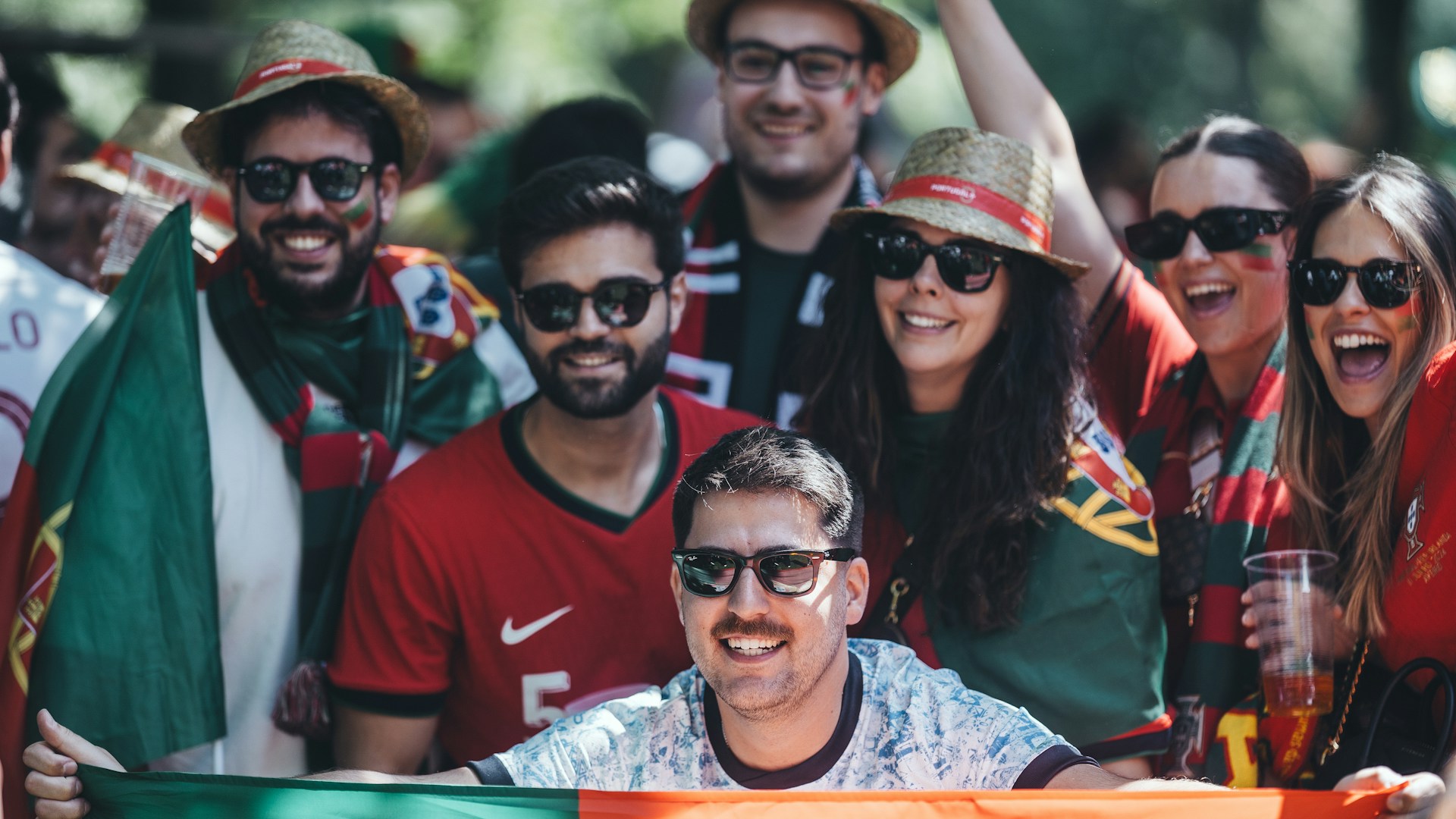
Few industries are better positioned to create meaningful human connections than sport.
Sports organisations already have something incredibly valuable: trust, belonging, shared identity and relationships that last generations.
What if we used those relationships to help people care for their emotional health?
We’re already seeing glimpses of what’s possible.
Norwich City’s powerful campaign addressing emotional distress reached hundreds of millions of views, while Australia’s Ahead of the Game programme demonstrated improvements in resilience among young athletes.
Imagine emotional health becoming as natural a part of sporting life as physical fitness.
Your 2027 Strategy
If you lead a sports club, league, federation or sports business, here’s my challenge.
Think about the millions of Manchester United, Barcelona and Real Madrid supporters around the world.
What if clubs helped create local communities where fans regularly meet, share experiences, build friendships and support one another?
People brought together by the club they love, developing relationships that extend far beyond the game.
That’s one possibility. There could be hundreds more.
Start with one community. Bring in the right expertise. Try something meaningful and measure what changes.
My mother’s story reminds me how much our understanding of health can change within a generation.
What if sport helped lead the next change?
Before you finalise your 2027 strategy, ask yourself:
What role will your organisation play?
With Love for Sports and Innovation,
AR
CEO, HYPE Sports Innovation



Comments