









Beyond the Golden Boot: 10 World Cup Innovations Every Sports Executive Needs to Understand
3 Min Read
Beyond the Golden Boot: 10 World Cup Innovations Every Sports Executive Needs to Understand
How the 2026 World Cup changed the way sport is played, managed, distributed, experienced and monetized.
The 2026 tournament revealed the new operating system of sport
Every World Cup ends with the familiar summaries.
The champions. The Golden Boot. The Golden Ball. The goals and moments that will live forever.
For sports leaders, another story unfolded.
Across 48 teams, 104 matches, 16 stadiums and three countries, FIFA tested new ways to analyse performance, support officials, run operations, distribute content, connect with fans and generate revenue.
Some were visible on the pitch. Others operated quietly behind the scenes.
Together, they offered the clearest glimpse yet of where the sports industry is heading.
The World Cup revealed the new operating system of sport: intelligent, connected, personalised and increasingly programmable.
For years, sports organisations have pursued individual technologies: an app, a camera, a data platform, an AI tool.
This tournament showed what happens when those pieces begin to connect.
Here are ten signals every sports executive should understand.
1. AI became infrastructure

Football AI Pro gave all 48 participating teams access to advanced analysis through a generative AI assistant.
Teams could explore official match data, video and 3D visualisations using natural-language questions instead of navigating reports running to dozens of pages.
Elite teams have invested in analytics for years. The significant shift was access.
The tournament organiser provided every participant with an advanced analytical layer, regardless of budget or technical resources.
AI is moving from specialist advantage to basic sporting infrastructure.
If every World Cup team could access an AI analyst, treating AI as a side experiment becomes difficult to defend.
The question is no longer whether to use AI. It is which decisions AI should improve first.
2. Officiating became a live data system

The tournament introduced advanced semi-automated offside technology at a World Cup for the first time.
Players were 3D-scanned to create personalised avatars. Optical tracking, connected-ball data, automated alerts and three-dimensional recreations gave officials richer information and helped broadcasters explain decisions more clearly.
Human officials retained authority over the final call. The information surrounding that call became faster and more precise.
Officiating is moving toward a live digital representation of the match, combining multiple data sources rather than relying on a limited set of television angles.
Technology will not remove judgement from sport. It will expose how often judgement has operated without enough information.
The next debate will concern not only the laws of the game, but also the accuracy, transparency and governance of the data interpreting them.
3. The referee became a media asset
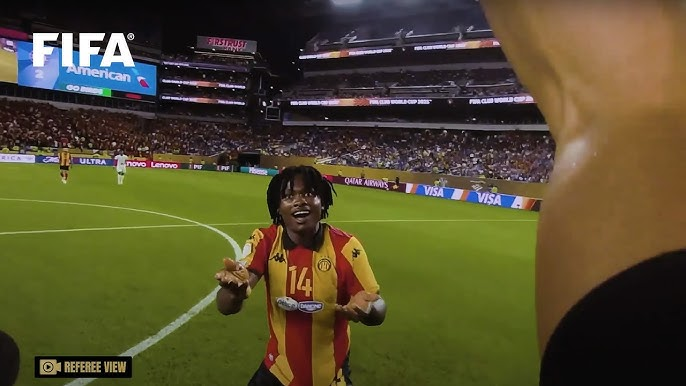
Referee View created a first-person broadcast feed from the centre of the pitch.
A lightweight camera worn by the official captured goals, reactions and high-pressure moments. AI stabilisation made the footage suitable for live television.
The wider lesson goes far beyond the referee.
Every sporting event contains perspectives the audience rarely sees: the coach during a decisive moment, the player inside the tunnel, the medical team responding under pressure, the analyst watching the tactical picture change.
These perspectives can become content formats, sponsored assets and new ways to deepen emotional connection.
The next valuable media product may already exist inside your event. It may currently be invisible.
4. The tournament received a central operating system
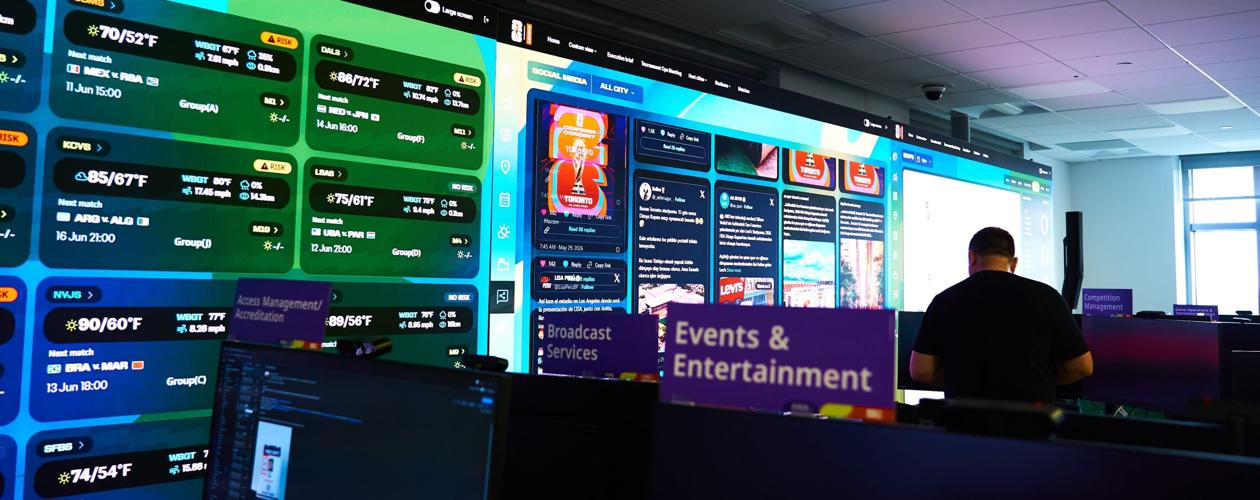
Lenovo’s Intelligent Command Center combined information from multiple operational systems into one live environment.
FIFA’s teams gained shared visibility across venue activity, alerts and tournament-wide trends spanning 16 stadiums and three countries.
Most sports organisations do not lack data. They suffer from fragmentation.
Ticketing sees one reality. Security sees another. Commercial, digital and venue teams often use different systems, definitions and timelines.
A shared operating layer creates one source of truth, real-time visibility, faster escalation and stronger post-event learning.
The advantage is not having more data. It is having one shared reality from which the organisation can act.
Every CEO should ask whether the leadership team can see the full operation, or whether each department still manages its own version of events.
5. Creators entered the media-rights ecosystem

FIFA established Preferred Platform relationships with TikTok and YouTube.
Media partners received wider opportunities to publish, stream and monetise tournament content. Selected creators gained structured access to training sessions, press conferences and behind-the-scenes environments.
Creators moved inside the official distribution system.
The future media ecosystem includes broadcasters, streaming services, social platforms, creators, athletes, rights-holder channels and fan communities.
The advantage will belong to organisations capable of orchestrating that network.
The next generation of media rights will be built around orchestration, access and shared value.
Creators cannot enter the strategy at the end, after the main product has already been created. They need defined access, rights and commercial models from the beginning.
6. The ticket became a continuing fan relationship
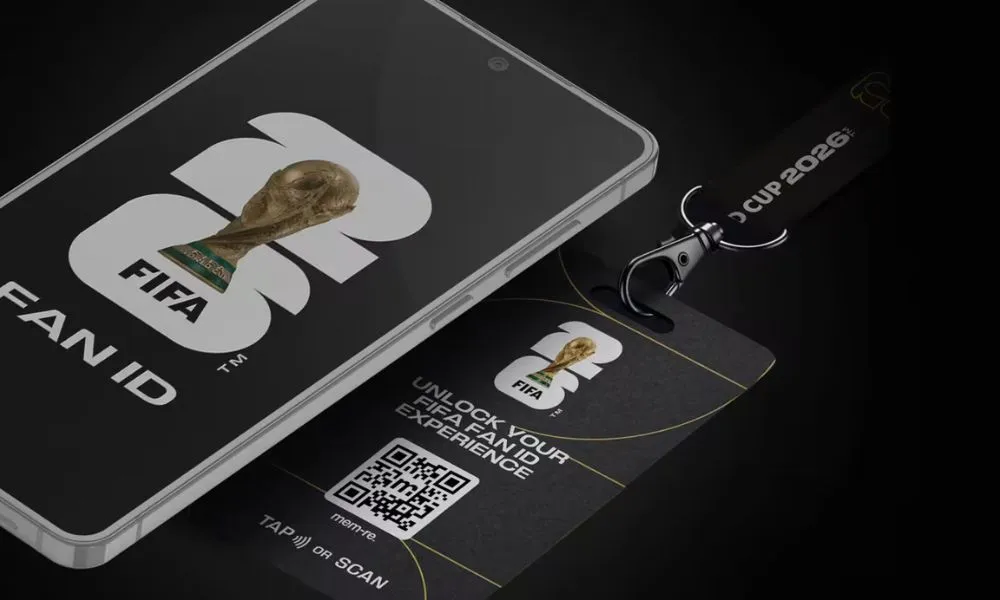
FIFA Fan ID linked a physical card to a digital experience.
Fans could unlock content, rewards, activations and personalised merchandise.
The strategic value was continuity.
A connected ticket can support identity, loyalty, personalisation, commerce and future communication.
Many organisations know how many tickets they sold. Far fewer maintain a meaningful, permission-based relationship with the people who attended.
The ticket should mark the beginning of the relationship, not the end of the transaction.
Do you understand your fans as individuals, or mainly as attendance figures?
7. Pricing became algorithmic and political
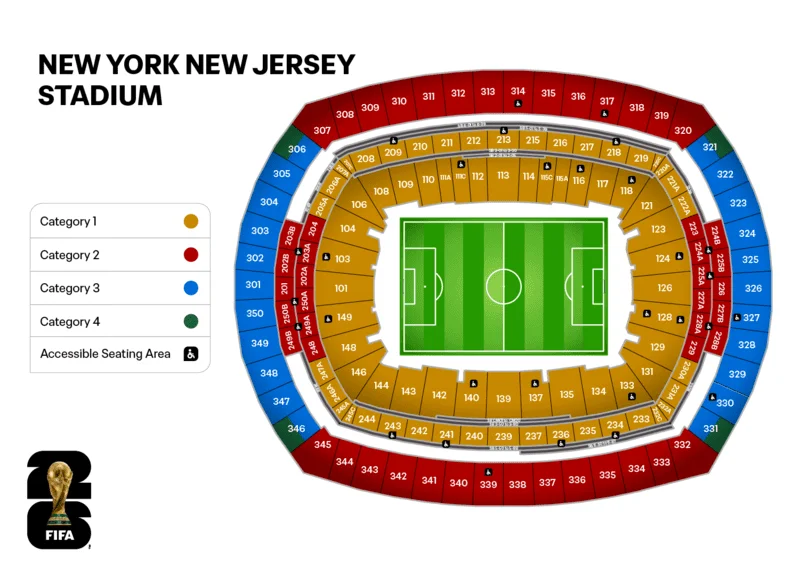
FIFA introduced dynamic pricing at a World Cup for the first time.
Prices moved according to demand and availability. By the final, some tickets appeared at extraordinary prices, while resale values moved beyond the reach of most supporters.
The model demonstrated significant pricing power. It also raised difficult questions about transparency, accessibility and football’s relationship with its communities.
Algorithms can optimise price, timing, packaging, hospitality and resale.
They cannot determine what is fair.
The ability to charge more is a commercial capability. Knowing when not to is a leadership decision.
Pricing communicates who the product is designed to serve. Every sports organisation needs a philosophy that balances revenue, access, trust and long-term loyalty.
8. Time inside the match became a product decision

Every match included mandatory three-minute hydration breaks midway through each half.
FIFA presented the breaks as a player-welfare measure. They also created advertising opportunities inside football’s traditionally uninterrupted playing time.
The final added another first: a World Cup Final Halftime Show, with Topps acquiring naming rights.
These developments came from different starting points. Together, they showed that time inside the competition can be designed, packaged, sponsored and monetised.
Every intervention should pass three tests:
• Does it improve the fan experience?
• Does it create meaningful value?
• Does it protect the rhythm and integrity of the sport?
Once time inside the game becomes designable, every pause becomes a product decision.
The challenge is to create commercial growth without damaging the qualities that made the product valuable.
9. Sports IP became participatory
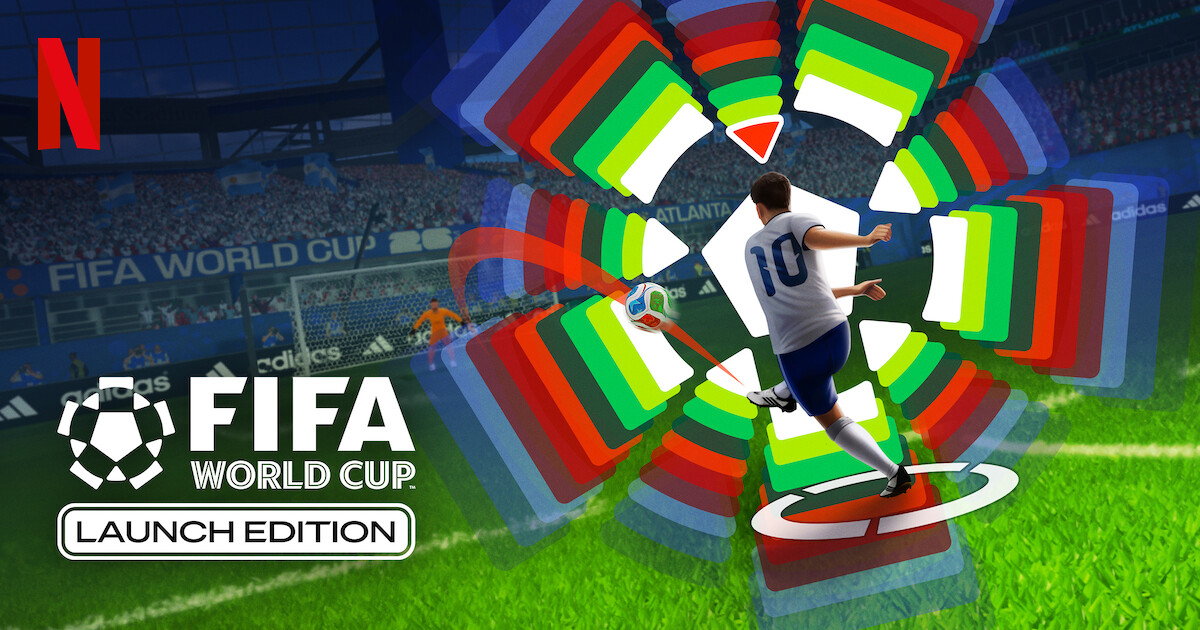
FIFA launched FIFA World Cup: Launch Edition through Netflix Games as part of a broader gaming strategy involving Roblox, Epic Games and other platforms.
The individual title is not the main story.
The larger shift is from viewership to participation.
Sports intellectual property can become a world where fans play, create, share and interact between live events.
The strongest sports properties will become worlds fans can enter, not only stories they watch.
Rights holders now need a participation strategy alongside their content strategy: where fans can play, what they can create and which platforms already contain the communities they want to reach.
10. Accessibility became product design

The tournament provided live sign-language interpretation for every match.
It also offered audio-descriptive commentary, sensory rooms at all 16 stadiums and haptic devices at selected venues.
Accessibility belongs at the centre of the innovation conversation.
It is not a separate social programme or a compliance exercise. It is a discipline for understanding how different people experience a product, then designing that product so more people can participate.
Better accessibility can improve the experience, expand the audience and strengthen community relationships.
Innovation that excludes people is incomplete innovation.
Every organisation should ask who is currently absent because the experience was never designed with their needs in mind.
Final Thoughts

The bigger story
The most important World Cup innovation was not one camera, algorithm or commercial format.
It was the convergence of all ten.
AI changed how teams accessed intelligence.
Data changed how officials interpreted the match.
New perspectives changed how stories were told.
Connected systems changed how the tournament was managed.
Platforms and creators changed how content travelled.
Digital identities changed how fan relationships continued.
Algorithmic pricing and entertainment formats changed how attention was monetised.
Gaming changed how fans participated.
Accessibility changed who could participate.
The future of sport will not arrive through one breakthrough technology.
It will emerge by connecting performance, operations, media, fan experience and commerce into one intelligent system.
The tournament is over.
These models have now been deployed at the largest sporting event in the world.
The question is no longer whether they will reach the wider industry. They already have.
Which organizations will turn these changes into a competitive advantage while they remain differentiators, and which will wait until they become the minimum cost of staying in the game?
P.S. Following the success of the first event, we’re holding another Sports, AI & ROI Showcase on August 25 and 26.
If you’d like to receive an invitation, please leave your details HERE.
With the Love for Sports and Innovation,
AR
CEO, HYPE Sports Innovation


Comments
Ted Finn
Insightful article on WC innovation and convergence that was not often obvious to an attendee both in 94’ and 26’ in the USA. Thanks!