








Are You Hiring Wrong?
3 Min Read
Are You Hiring Wrong?
The Difference Between Winning and Falling Behind Will Be Defined by the AI Fitness of Your People
A senior executive from a Premier League club told me something that stayed with me.
In the past, when he hired a content specialist or a Photoshop expert, the expectation was simple:
You bring your knowledge.
You apply your expertise.
You deliver based on what you already know.
Today, that is no longer enough.
The expectation has shifted.
When he hires someone now, he looks for one thing: AI Fitness.
The ability to learn continuously.
The discipline to improve constantly.
The mindset to build new capabilities from emerging tools.
Because what exists today will not be the same in three weeks, two months, or a year.
This is what he expects from his managers.
And from himself.
So the real question is:
Are you hired for what you know today, or for your ability to evolve tomorrow?
AI Fitness is no longer optional.
It is becoming the new professional baseline.
What’s Really Happening Inside Organizations
Many teams are working harder than ever.
More meetings. More tools. More activity.
But output is not growing at the same pace.
Decisions take too long.
Execution slows down.
People are busy, but progress feels limited.
And while some organizations still debate AI, others are already operating differently.
The gap is not coming.
It is already here.
Inside many teams today, three types of employees exist:
AI Native: multiplies performance using AI daily.
AI Aware: uses AI occasionally, partial impact.
AI Resistant: continues working as before.
This gap is operational.
And it is widening.
What AI Fitness Really Means
AI Fitness is not about tools.
It is not about knowing ChatGPT, Copilot, or any specific platform.
AI Fitness is a performance layer.
It is how fast someone learns.
How consistently they upgrade their capabilities.
How effectively they use AI to multiply output.
How they adapt under constant change.
How they improve without being asked.
This is not a technical shift.
It is a performance shift.
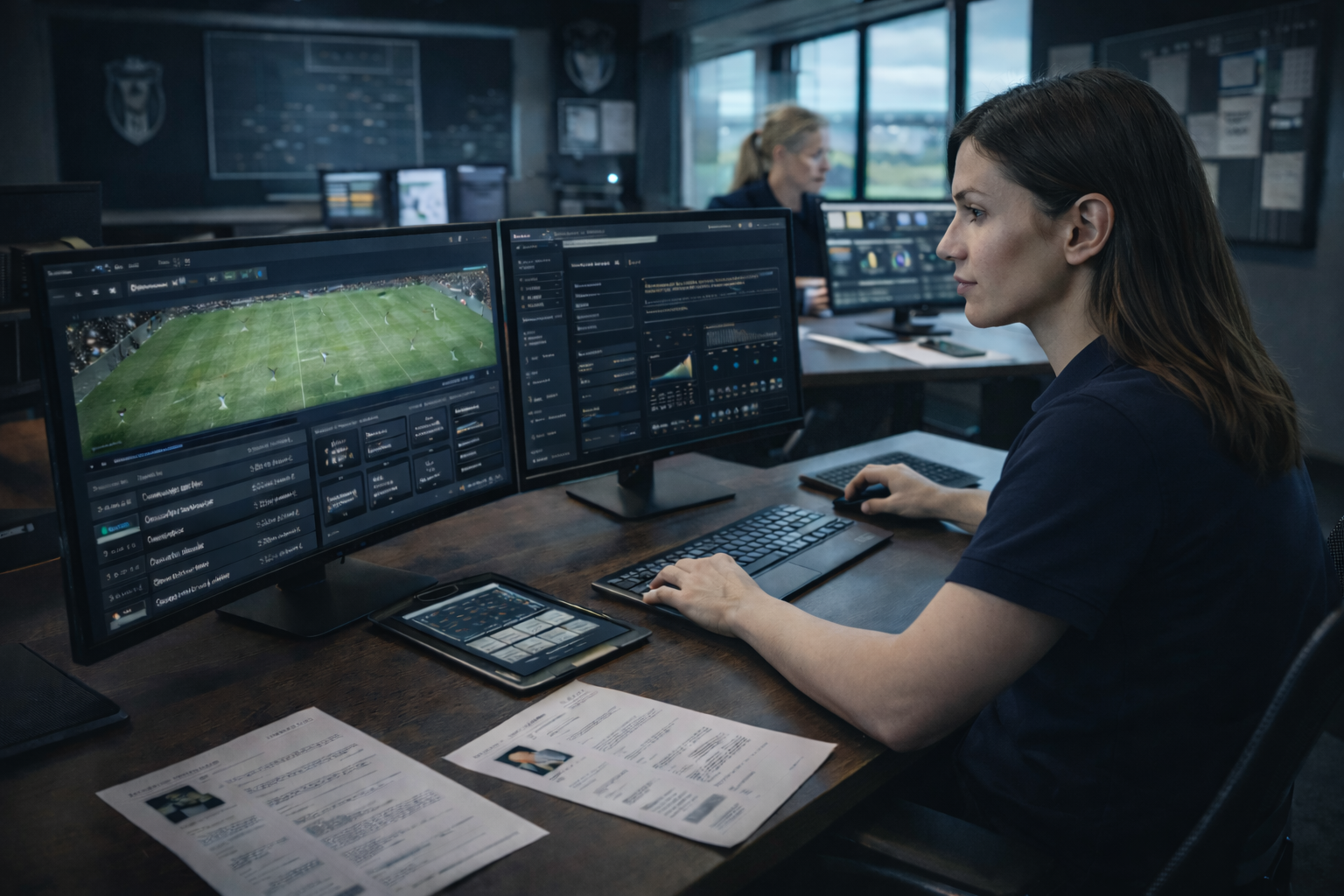
How AI-Fit Employees Actually Work
You recognize them quickly.
They solve problems faster.
They use AI to think, not only to automate.
They upgrade workflows without waiting for instructions.
They learn while executing.
They produce more output in less time.
They do not work harder.
They operate differently.
Different pace.
Different level.
The Uncomfortable Truth
Many organizations believe the challenge is hiring better people.
Often, the real challenge is different.
How performance is measured.
How talent is evaluated.
How learning is embedded.
How leaders themselves adapt.
In many cases, employees are moving faster than the organization.
Some already use AI daily, often without a clear framework or standard.
The shift is happening from the inside.
Executive Hiring Framework
The hiring model has changed.
Not titles.
Not years of experience.
Not hours worked.
What matters now:
• Learning speed
• Ability to use AI to create measurable output
• Judgment when working with AI
• Capability to continuously upgrade skills
• Output thinking over task execution
Some candidates talk about AI.
Others deliver with AI.
Your role is to know the difference.
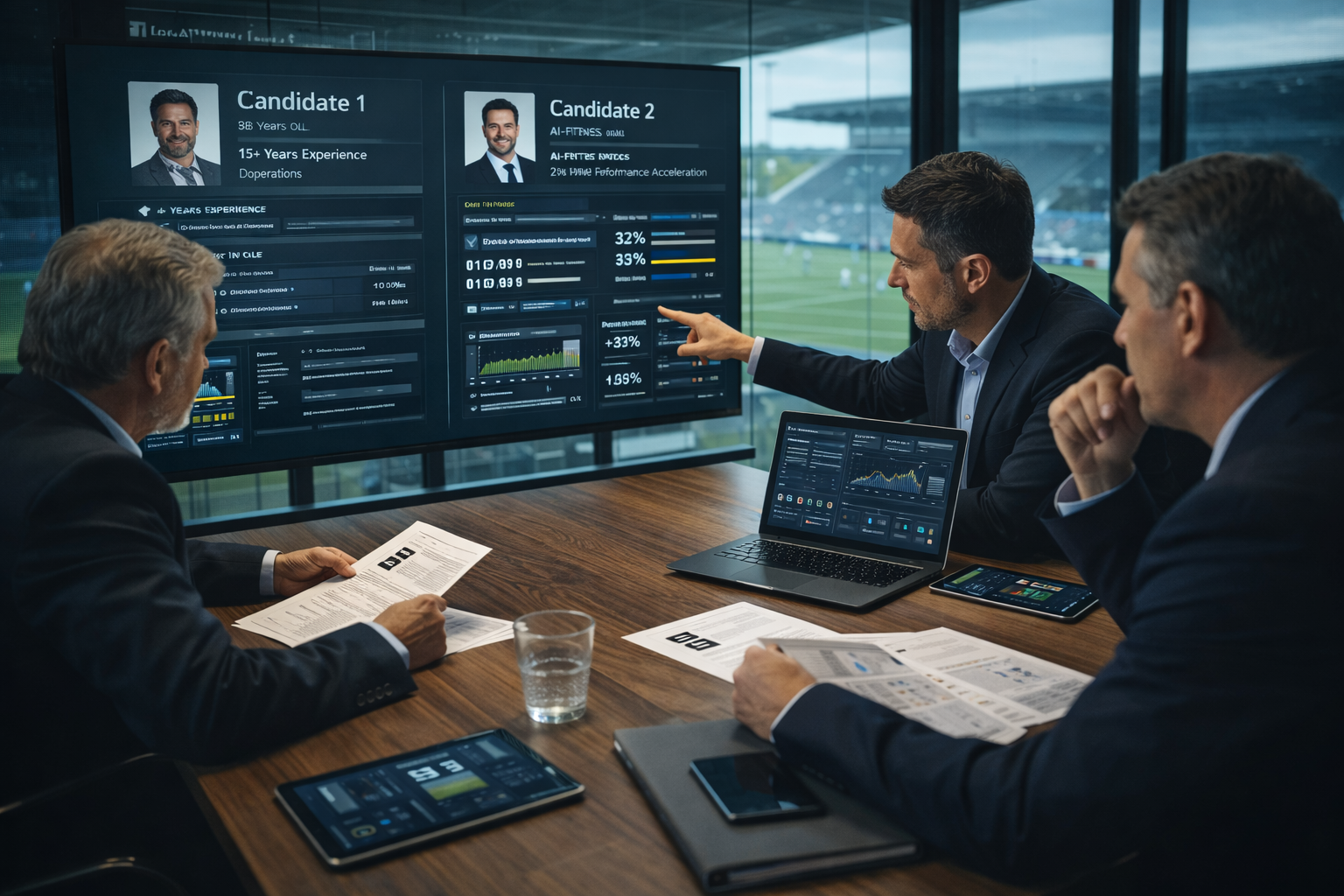
The 3 Critical Hiring Mistakes in the Age of AI
Mistake 1:Hiring for Tools Instead of Thinking
Tools change fast. Thinking compounds.
Hire how people think with AI, not what tools they know.
Mistake 2: Confusing AI Usage with AI Performance
Using AI does not equal impact.
Measure output, speed, and decision quality.
Mistake 3: Hiring for Experience Instead of Learning Speed
In a fast-changing environment, learning speed beats past experience.
Hiring for AI Fitness
When evaluating a candidate, ask:
Mindset
Is the person curious and self-learning?
Do they improve continuously?
AI Capability
Do they use AI in daily work?
Can they turn AI into real output?
Thinking
Do they ask better questions?
Do they validate and challenge results?
Performance
Do they work faster?
Do they upgrade processes?
Do they produce more in less time?
Adaptability
Do they evolve under change?
Do they expand their capabilities?
If your team lacks several of these traits, the gap will grow.
Why This Matters in Sports Organizations
Sports organizations operate under pressure.
Tight timelines.
Multiple stakeholders.
Constant expectation for results.
Continuous competition.
In this environment, AI Fitness is not about technology.
It is about execution.
Faster decisions.
Sharper workflows.
Higher output.
Stronger operational edge.
Across clubs and leagues, the difference is already visible.
Not in strategy decks, but in execution speed.
The gap between organizations will not be defined by budget.
It will be defined by the AI Fitness of their people.
Final thoughts
This is not only about employees.
Leaders must redefine:
How performance is measured.
How talent is evaluated.
How teams are built.
How learning becomes part of daily work.
Organizations that adapt move faster.
Those that do not often realize it too late.
The Real Question
In the coming years, the difference will not be who works harder,
but who adapts faster.
Are you still hiring for experience,
or for the ability to evolve?
AI Fitness is no longer a competitive advantage.
It is the new baseline for performance.
With love for sport and innovation,
AR
CEO, HYPE Sports Innovation
SportTech Solution? If you want to pitch to over 100+ sport properties, get to this link here!

Comments