


The ROI Sports Apps Leave on the Table When Fans Engage Elsewhere
5 Min Read
How social.plus is helping sports organizations turn their existing digital platforms into active fan communities, stronger relationships and new commercial opportunities.
Sports organizations have spent years investing in their digital platforms.
Club apps. Membership portals. Ticketing systems. Streaming services. Fan engagement tools.
Yet one of the biggest challenges remains largely unchanged.
Fans open an app to check a score, buy a ticket or watch a highlight. Then they leave.
The conversations happen on WhatsApp. The reactions happen on Instagram. The discussions take place on platforms that clubs and leagues neither own nor control.
And with every interaction that happens elsewhere, sports organizations miss an opportunity to understand their audience, strengthen relationships and generate commercial value.
The challenge is no longer simply attracting fans to an app. It is giving them a reason to stay, participate and return.
This is where social.plus enters the picture.
From Digital Platforms to Fan Communities
social.plus has joined the HYPE Sports Innovation program, bringing technology that helps organizations transform existing apps into interactive communities.
Instead of requiring clubs and leagues to build new social platforms from scratch, social.plus integrates social features directly into the digital products they already operate.
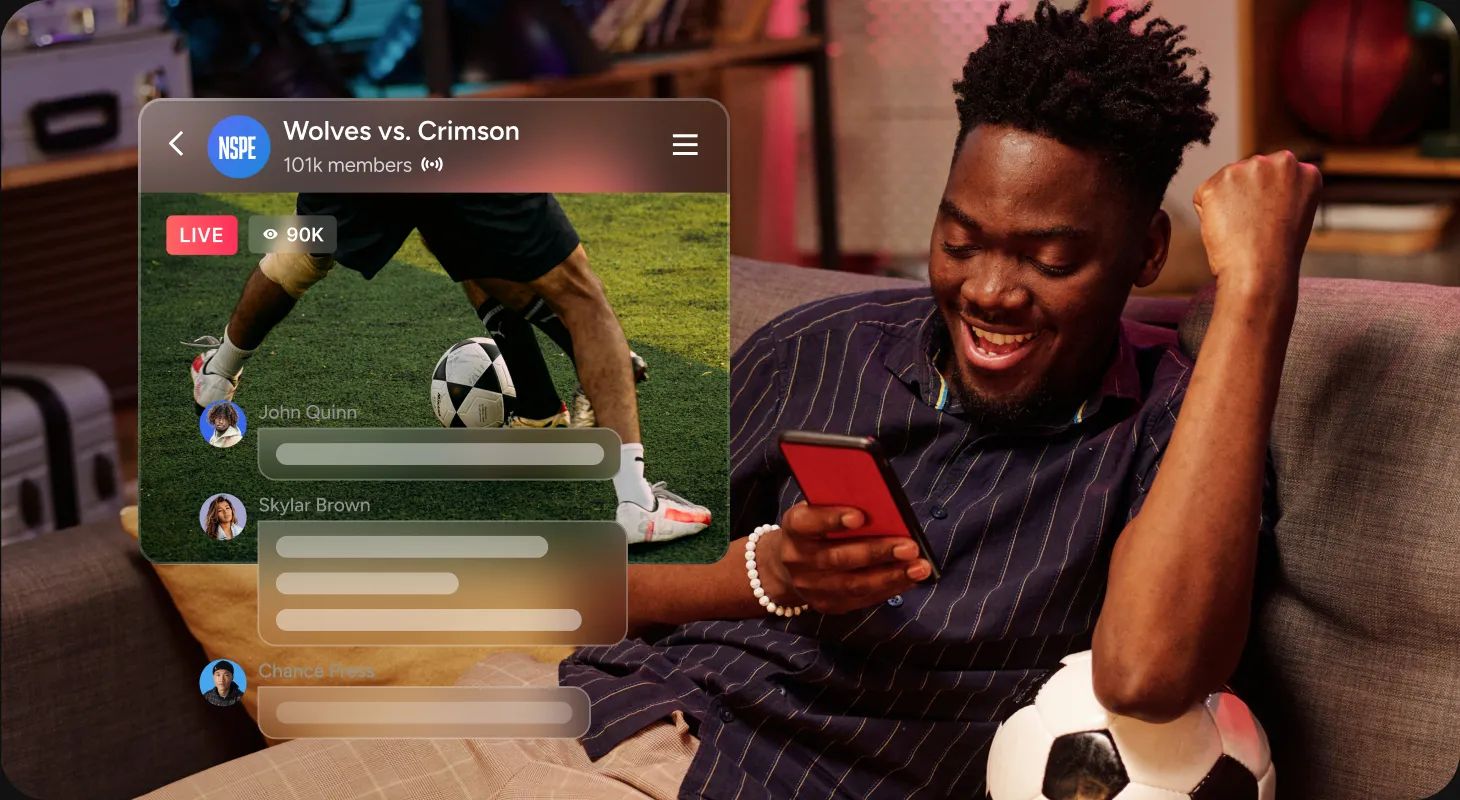
These include live chats, fan groups, activity feeds, polls, user profiles, livestreams and interactive content.
Fans can discuss matches, share reactions, participate in conversations and connect with other supporters without leaving the club’s digital environment.
For sports organizations, this changes the role of the app.
Instead of serving primarily as a destination for transactions and information, it becomes a place where fans actively participate.
That distinction matters commercially.
More meaningful interactions create opportunities to improve retention, understand audience preferences and develop new revenue streams.
The Cost of Losing Fan Attention
A club might have hundreds of thousands of app downloads, but downloads alone do not generate sustainable commercial value.
What matters is what happens after installation.
How frequently do fans return? How much time do they spend interacting? What interests influence their purchasing decisions? What makes them renew a membership or engage with a sponsor?
When most of that activity happens on third-party platforms, sports organizations have limited access to the behavioral information behind it.
The commercial implications extend across three areas.
1. Retention and Lifetime Value
An app that fans visit only on matchdays has fewer opportunities to build ongoing relationships.
Community features give supporters reasons to return between fixtures, interact with other fans and remain connected to the organization throughout the season. According to social.plus data, apps with community features see a 10–35% retention lift compared with apps without them.
More consistent engagement creates opportunities to strengthen membership and subscription retention.
2. First-Party Data and Personalization
Every interaction can reveal something about fan interests and behavior.
Whether supporters participate in polls, follow specific content or join particular communities, those signals can help organizations understand what matters to their audiences.
That information supports more relevant communications, targeted offers and better commercial decisions.
3. Sponsorship and New Revenue Streams
Fan communities also create additional opportunities for commercial partners.
Sponsored discussions, branded experiences, exclusive content and interactive campaigns can provide sponsors with new ways to reach and engage relevant audiences, with impressions, clicks and reach tracked. Merchandise can also be tagged directly in posts and live streams, turning fan conversations into social commerce.
Instead of relying exclusively on traditional advertising placements, sports organizations can build commercial experiences around genuine fan participation.
The opportunity is to turn engagement from a marketing metric into a measurable business asset.
What Happens When Clubs Own the Conversation?
One example comes from the South Sydney Rabbitohs, the Australian rugby league club.
The Rabbitohs introduced a members-only digital community within their own app and website, powered by social.plus.
Rather than directing supporters to external social networks, the club created a dedicated environment where members could connect, discuss matches, participate in groups and interact directly with one another.
The initial adoption was significant.
More than 16,700 members joined the community within the first seven days, representing over 60% of the club’s paying membership base.
Live matchday discussions became a central feature, giving supporters a place to react together as games unfolded.
Importantly, the club retained control over the experience, its community rules and the behavioral information generated through participation.
That creates a foundation for developing membership experiences, understanding supporter interests and introducing future commercial opportunities.
The significance is not simply that supporters joined another digital platform.
It is that they joined an environment owned by the club itself.
Turning Live Sport Into Ongoing Engagement
The same principle applies to broadcasters and sports media platforms.
A live sporting event already attracts attention. The challenge is extending that attention into participation and sustained engagement.
TrueID, one of Thailand’s major digital entertainment platforms, integrated social.plus technology to introduce real-time conversations around live content.
The experience initially expanded around the 2018 FIFA World Cup, allowing fans to interact during broadcasts rather than simply watch them.
TrueID subsequently extended these capabilities to Premier League matches and other entertainment content.
The platform had more than one million monthly community interactions and 300,000 monthly poll votes, alongside 15% month-on-month growth in active community members and an average 30% increase in engagement following its expansion of social features.
The business relevance extends beyond live chat.
Interactive experiences can help turn occasional viewers into returning users and provide richer insight into what keeps audiences engaged.
For sports media organizations competing for attention and subscriptions, that relationship has direct commercial importance.
Why This Matters for Clubs, Leagues and Federations
The opportunity is not limited to organizations with millions of supporters.
Different sports properties face different commercial challenges, but many share the same fundamental problem: they have an audience without sufficient control over the relationship.
For football clubs, stronger communities can support memberships, merchandise sales, ticketing and sponsor activation.
For leagues and federations, interactive experiences can help bring supporters together across competitions, teams and events.
For broadcasters and sports media companies, live discussions and community features can create additional reasons for viewers to remain engaged beyond the content itself.
For membership-driven organizations, dedicated communities can strengthen the value of belonging and support longer-term retention.
The underlying technology can be integrated into existing products through software development kits, APIs and ready-made interface components.
Organizations can therefore introduce specific features without rebuilding their entire digital infrastructure.
The strategic question is not whether every sports property needs its own social network.
It is whether the platforms sports organizations already operate are capturing enough value from the relationships they have built.
The Next ROI Phase of Fan Engagement
For years, sports organizations have measured digital success through followers, impressions, downloads and reach.
Those metrics still matter.
But they do not necessarily explain whether an organization owns its audience relationship or can translate engagement into commercial outcomes.
The next step is connecting digital participation with measurable business performance.
That means understanding how community activity influences retention, purchases, membership value and sponsorship opportunities.
It also means creating digital experiences that give supporters a reason to interact directly with the organizations they follow.
social.plus addresses this challenge by bringing community infrastructure into platforms that clubs, leagues and media organizations already control.
The results achieved with organizations such as the South Sydney Rabbitohs and TrueID demonstrate how existing digital audiences can be encouraged to participate within owned environments.
For the wider sports industry, the opportunity is clear.
Building an audience is one thing. Owning the relationship and turning that engagement into business value is another.
Learn more in: https://www.social.plus/



Comments