









The Logo-on-a-Shirt Era Is Ending. What Comes Next Is Bigger.
3 Min Read
The Logo-on-a-Shirt Era Is Ending. What Comes Next Is Bigger.
The next generation of sponsors will not only fund sports organizations. They will help transform how those organizations operate, engage fans and create value.
For decades, sports sponsorship followed a simple formula.
The brand paid. The club displayed the logo. Both sides counted impressions.
That formula built a global industry. It is also beginning to break.
The logo is not disappearing. The visibility, audience and emotion still matter.
But the logo is becoming the least interesting part of the deal.
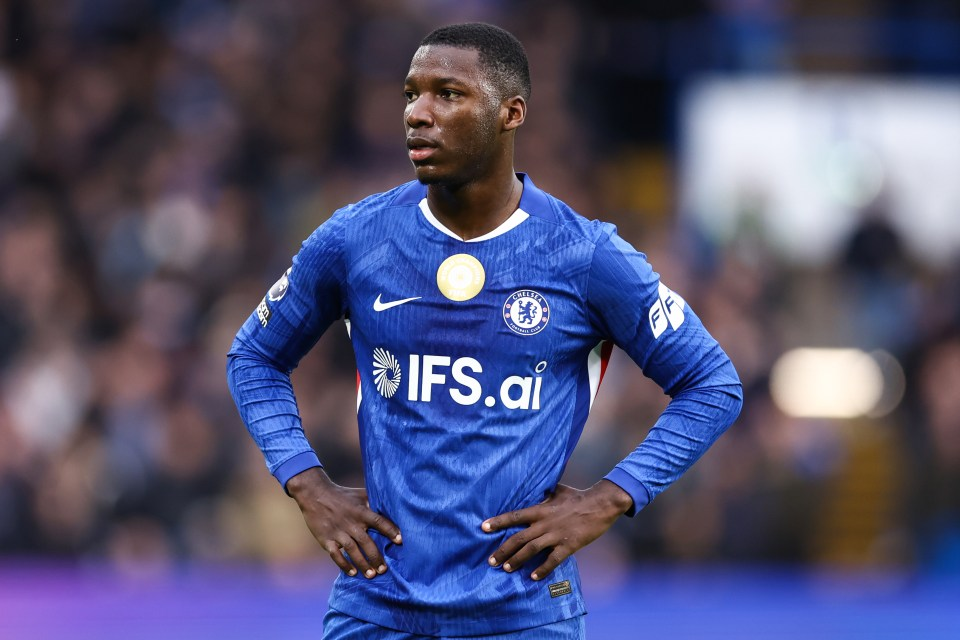
In May, Crystal Palace announced Temporal as its new front-of-shirt partner and exclusive technology infrastructure sponsor. On the surface, it looked like another major shirt deal.
Look closer and you see something far more important.
Crystal Palace is becoming a Temporal customer. The technology will support the club as it modernizes e-commerce, payments, fan experience and matchday operations. The partnership also includes computer science and AI workshops for young people across South London.
Temporal did not only buy space on a shirt. It bought a role inside the club’s future.
That leads to a much larger idea:
AI will not only sponsor sport. It will help run it.
Every commercial wave eventually finds sport
Betting did. Crypto did. Now AI is arriving.
There is good reason to be cautious. Sport has seen companies arrive with enormous budgets, purchase global visibility and disappear before the partnership created lasting value.
AI could follow the same path. A large funding round and a fashionable category do not automatically create a sound sponsorship strategy.
But AI has one important advantage over many of the brands that came before it. An AI or software infrastructure company can become the sponsor, the supplier and the strategic partner at the same time.
It can place its name on the shirt, deploy its product inside the organization and build a customer case study visible to the entire industry.
The real test is not the logo. It is implementation and measurable value.
Why now?
Three forces are coming together.
First, AI companies are raising extraordinary amounts of capital and competing for global credibility. Temporal raised $300 million at a $5 billion valuation earlier this year. It already works with organizations including OpenAI, Netflix and JPMorgan, but remains far less recognized outside the technology community.
A Premier League partnership changes that equation.
In the United States alone, fans consumed 18.33 billion minutes of Premier League coverage during the 2025/26 season.
For a B2B technology company, the value is not that every viewer is a potential customer. It is the combination of global awareness, institutional credibility and access to enterprise conversations.
Second, sports organizations need far more than sponsorship revenue. They need stronger digital infrastructure, better data, smarter fan journeys, improved operations and new revenue engines. Many know where they want to go. Far fewer have the capacity to get there quickly.
Third, boards and commercial leaders are demanding clearer returns. Exposure remains valuable, but exposure alone is becoming harder to defend. A logo can create awareness. It cannot modernize a ticketing operation, personalize the fan experience or improve decision-making.
This shift is not being driven by sponsorship departments alone. It is being driven by capital, technology and business pressure.
The four generations of sports sponsorship
The easiest way to understand the change is to look at how sponsorship has evolved.
1. Exposure
The brand buys visibility: shirts, boards, interview backdrops and broadcast minutes.
2. Activation
The brand builds campaigns around the rights: hospitality, content, promotions and fan experiences.
3. Integration
The partner’s product becomes part of the sports organization’s operation or fan journey.
4. Transformation
The partnership creates a capability the organization did not have before.
Most sponsorships still operate at levels one and two. The most valuable partnerships are moving toward levels three and four.
This is the difference between placing a logo on the product and helping build the product.
What Temporal actually does
Temporal does not replace Palace’s payment provider, commerce platform or fan systems. It provides the execution layer that helps the workflows connecting those systems complete reliably, even when something fails.
The payment provider processes the payment. Temporal helps ensure the entire workflow finishes correctly.
That distinction turns a marketing story into a business story.
Temporal gains a live showcase for its technology. Palace gains revenue, infrastructure and a partner invested in a successful implementation.
The club receives capabilities. The technology company receives credibility.
This is already bigger than one deal
Crystal Palace and Temporal may be the clearest recent symbol of the change, but they are not an isolated case.
Microsoft is modernizing the Premier League’s digital platforms, match analysis and internal operations. Google is integrating Gemini across Paris Saint-Germain. Netcompany and INEOS are co-developing an AI model to turn performance data into faster decisions.
Different properties. Different technologies. The same direction.
The partner is moving from the perimeter of the organization toward its operating core.
The shirt is the entry point, not the strategy
A sponsorship fee buys the right to participate. It does not create the return.
Research conducted by the World Federation of Advertisers and Lumency found that sponsors who knew their activation spend invested an average of 0.81 for every 1.00 spent on rights. Yet 43% did not know what they were spending on activation at all.
That is a serious warning.
For Temporal, the commercial logic depends on what happens after the logo appears.
Can the company bring CIOs and CTOs to matches? Turn hospitality into enterprise conversations? Increase developer adoption? Build a measurable Palace case study? Connect the partnership to pipeline and closed business?
If Temporal treats the deal as a logo purchase, it could become an expensive exercise in awareness.
If it operates the partnership as a media platform, sales platform and live customer case study, the economics become far more compelling.
The rights provide the opportunity. Activation turns it into results.
From sponsor to strategic partner
The old model exchanged money for rights.
The emerging model exchanges capability for credibility.
The sports organization gains technology, expertise and execution. The partner gains trust, proof and access.
This also creates deeper commitment. Ending an advertising campaign is easy. Replacing a partner embedded in infrastructure, data or the fan journey is a far more significant decision.
What this means for every brand
This shift is not limited to technology companies.
The category matters less than the contribution. A bank can transform payments and loyalty. A telecommunications company can improve the connected stadium. A consumer brand can build a matchday service or experience that lasts beyond the campaign.
The key question is no longer only:
“How many people will see us?”
It is also:
What can this sports organization do because we are here that it could not do before?
That question moves the partnership from media planning to business strategy.
The logo is not dead
Front-of-shirt visibility remains one of the most powerful assets in global sport. Companies will continue paying for that reach.
The change is subtler and more important: visibility without strategic relevance will become harder to defend.
Premier League clubs agreed to remove gambling brands from the front of matchday shirts from the 2026/27 season. Nielsen expects fintech, AI and software infrastructure companies to fill part of that opening, with infrastructure firms potentially becoming the leading front-of-shirt category by 2028.
The betting era created one sponsorship economy. The technology era may create another.
The winners will not necessarily be the companies with the largest budgets. They will be the partners that combine reach with a capability the sports organization genuinely needs.
The five-question partnership test
Before signing the next major deal, rights holders and brands should ask:
- Does the partnership solve a real business or fan problem?
- Will the partner’s product or expertise become part of the operation?
- Are both sides building a capability that will last beyond the campaign?
- Can they measure a business result, not only media exposure?
- Is the story more interesting than the placement of the logo?
If the answer to most of these questions is no, the deal may still create value.
But it is probably media wearing the language of partnership.
Final thoughts

What comes next
At HYPE, we see the demand from sports organizations and the commercial pressure inside technology companies. Both sides are searching for more than another sponsorship package. They are searching for a business outcome.
Over the next five years, the most important sports partnerships will not be judged only by the size of the fee or the visibility of the asset.
They will be judged by how deeply the partner improves the business.
The best partners will become difficult to describe as sponsors because the word will feel too small. They will still appear on shirts, inside stadiums and across broadcasts. But those assets will be the public expression of a much deeper relationship.
The logo will remain.
It will simply become the least interesting part of the deal.
So here is the question every brand and sports organization should ask before signing its next partnership:
If the logo disappeared tomorrow, what value would the partnership leave behind?
With the Love for Sports and Innovation,
AR
CEO, HYPE Sports Innovation


Comments
Ronan Griffin
The shift from simple visibility to functional integration makes total sense, especially for tech sponsors. How are mid-tier clubs without massive digital teams planning to handle the technical implementation of these complex fnf game software partnerships?